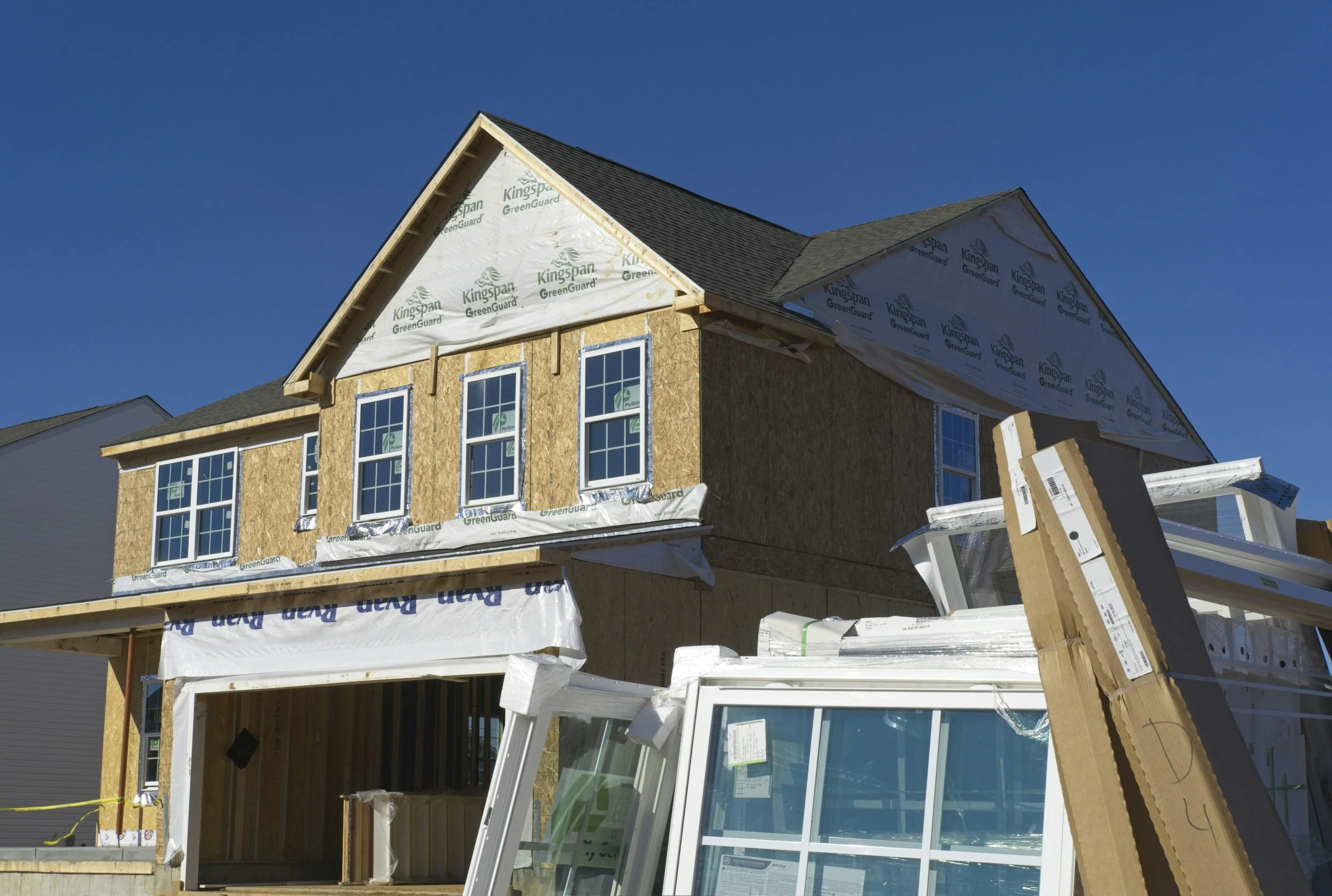
According to new figures from Canada Mortgage and Housing Corporation (CMHC), construction began on 3,124 new homes in Winnipeg between January and June 2026, compared with 2,221 during the same period in 2025. That's a jump of more than 40 percent, and it puts the city on pace to set a new annual record.
Compare that to the national picture: across Canada, housing starts were actually down 1 percent over the same six-month stretch. Winnipeg isn't just growing, it's moving in the opposite direction of nearly every other major market in the country.
Completions are strong too. CMHC reports 2,625 new homes were finished in Winnipeg in the first half of 2026, the second-highest total ever recorded for that period, trailing only the first half of 2024.
Why Is Winnipeg Building More Homes Than the Rest of Canada?
The short answer: the city removed its own bottlenecks, right as other major markets pulled back.
Through its partnership with the federal Housing Accelerator Fund, Winnipeg modernized its zoning bylaws to allow more housing city-wide and higher density along transit corridors and mall sites. On top of that, the City streamlined permitting, launched a dedicated housing concierge service to help builders navigate approvals, and introduced grants to incentivize new construction. Mayor Scott Gillingham and Councillor Evan Duncan, who chairs the Standing Policy Committee on Property and Development, have both pointed to this combination: modernized zoning, cut red tape, faster approvals, infrastructure investment, as the direct cause of the surge.
That policy push landed at a good time. Toronto, Vancouver, and Calgary are all seeing housing starts slow, largely because of a condo inventory overhang, high construction costs, and builders proceeding cautiously amid broader economic uncertainty. Winnipeg, by contrast, remains one of the more affordable markets in the country to build in and buy into, which is drawing renewed attention from both builders and buyers, including some who might otherwise have looked at Regina or Quebec City, the other Prairie and Quebec markets bucking the national slowdown.
It's also worth noting this is largely a supply story catching up to demand, not a sudden population explosion. Winnipeg's population growth actually peaked in 2023–2024 on the back of federal immigration backlogs clearing and a surge in international students, and has since slowed as federal immigration and study-permit targets were cut. What's happening now is that homes planned and permitted during that earlier growth period are finally getting built faster, thanks to the zoning and permitting reforms — which is good news for buyers, because it means more inventory is hitting the market without the population pressure that would normally drive prices up alongside it.
What This Means for First-Time Home Buyers in Winnipeg
More homes under construction means more inventory, more choice, and more competition among builders for your business. In practice, that's translating into genuinely strong new-build options at price points that still make sense for a first purchase.
Winnipeg remains one of the most affordable major markets in Canada. In the first quarter of 2026, the aggregate home price sat around $424,500, with roughly 28 to 33 percent of median income needed to cover ownership costs. Compare that to Toronto, where ownership costs eat up around 75 percent of income, or Vancouver at roughly 82 percent. For buyers priced out of the coasts, or first-time buyers here at home, that gap matters.
Is Now a Good Time to Buy a Home in Winnipeg?