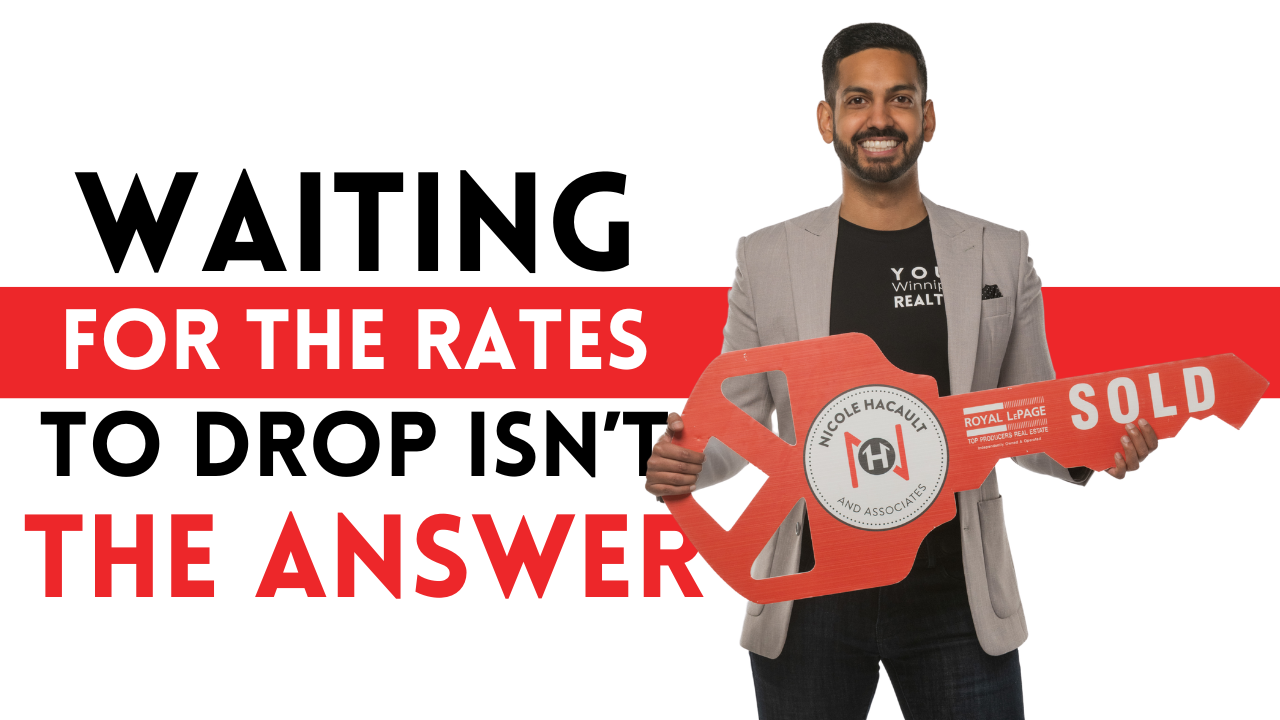
Waiting For The Rates To Drop Isn’t The Answer

🚨 Waiting for the rates to drop isn't the answer when you want to buy a home. 🏡

📉 If the rates go down, the prices of homes go up 📈 as all the excited buyers 🏃‍♀️🏃 come to the market, and in the end, it costs you much, much more 💸 than you would have saved with that lower rate.

✅ Buy a home when it is right for you, when you are ready — but don't make the decision based on market behaviour or interest rates. 🔑

I Am So Freaking Excited For You!

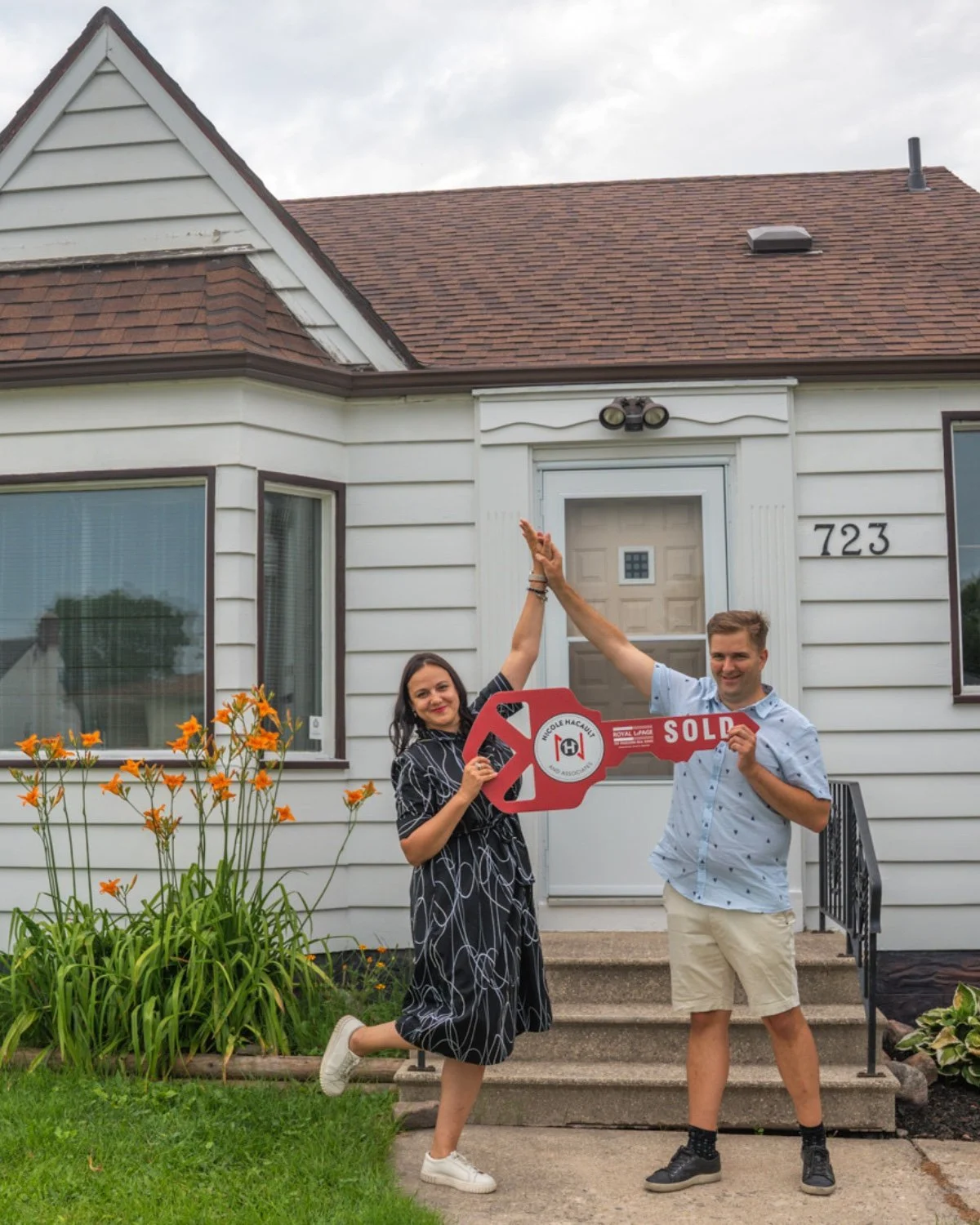
We spent so much time looking at homes that were complete crap and left us all feeling disappointed and sad... and then there was this one. I will NEVER forget the moment you sat in the chair in the bedroom and sulked because I told you that you couldn't have it.

Based on the stats, this home was sure to sell well over budget. We did a super quick showing and then walked away, hanging our heads.

Then, on offer day, everything changed. At 10:30 am, I got a message that there were no offers in hand. I called them, and within an hour, we had our offer written and submitted, and that offer was under list price. Moments later, we had a fantastic counter offer, accepted it and had already completed the home inspection. We all kept waiting to find something wrong with the house, the reason no one else had offered, but we kept finding out that this house was amazing.

This will go down as one of the stories I will tell for a long time. I am excited that you got the most perfect home, in the perfect neighbourhood, at a killer price. CONGRATULATIONS!

🚨 June 2026 Winnipeg's Housing Market Update | The Numbers Might Surprise You

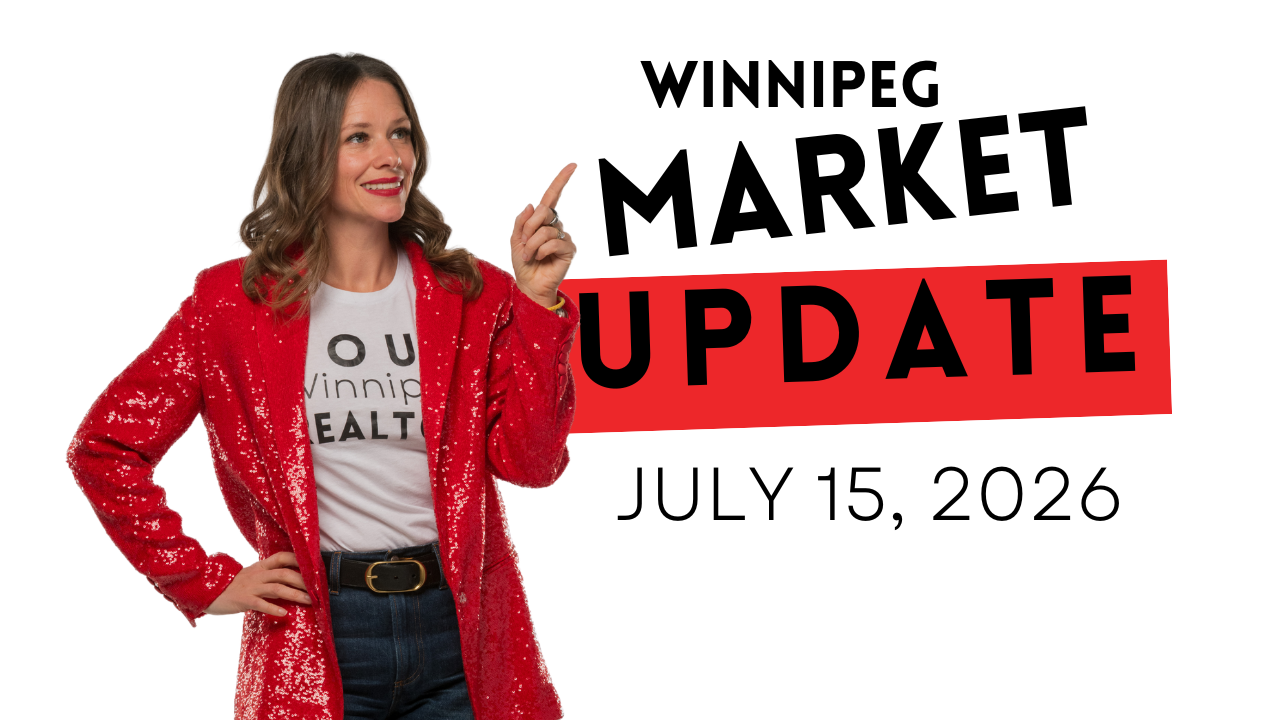
🏡 Winnipeg Market Update 🌟

For June:

🔥  Winnipeg's average home price is $491,000

🏠  Average sale price up 4%

🤩  Number of sales down 5%

The market is buzzing with activity! Whether you’re looking to buy, sell, or stay informed, we have the latest trends and stats.

Have questions about the market or need personalized advice? I’m here to help! Feel free to reach out anytime.

🔗 Watch the full video for all the details. And don’t forget to like, share, and comment!

Wishing You All The Best In Your New Home!

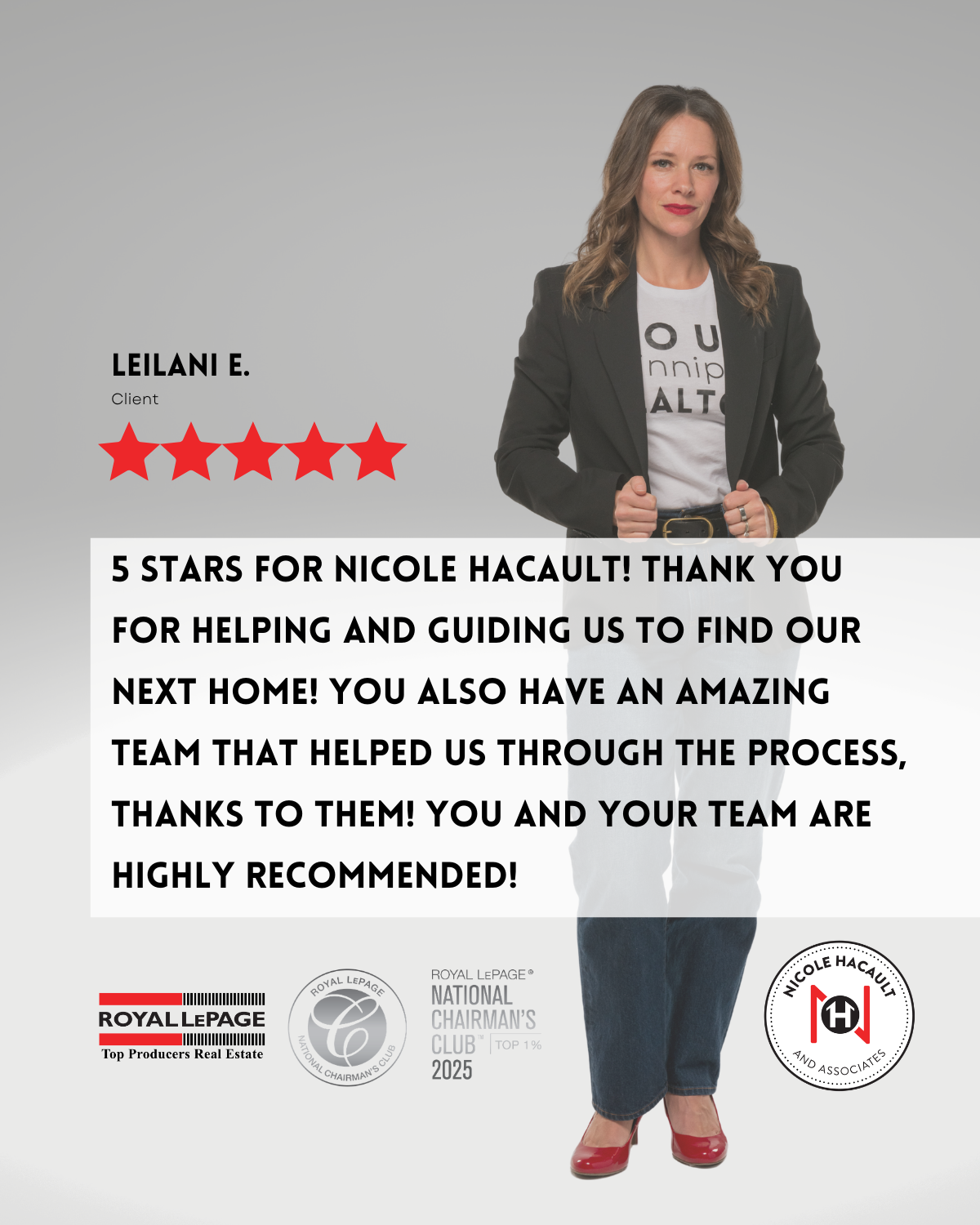
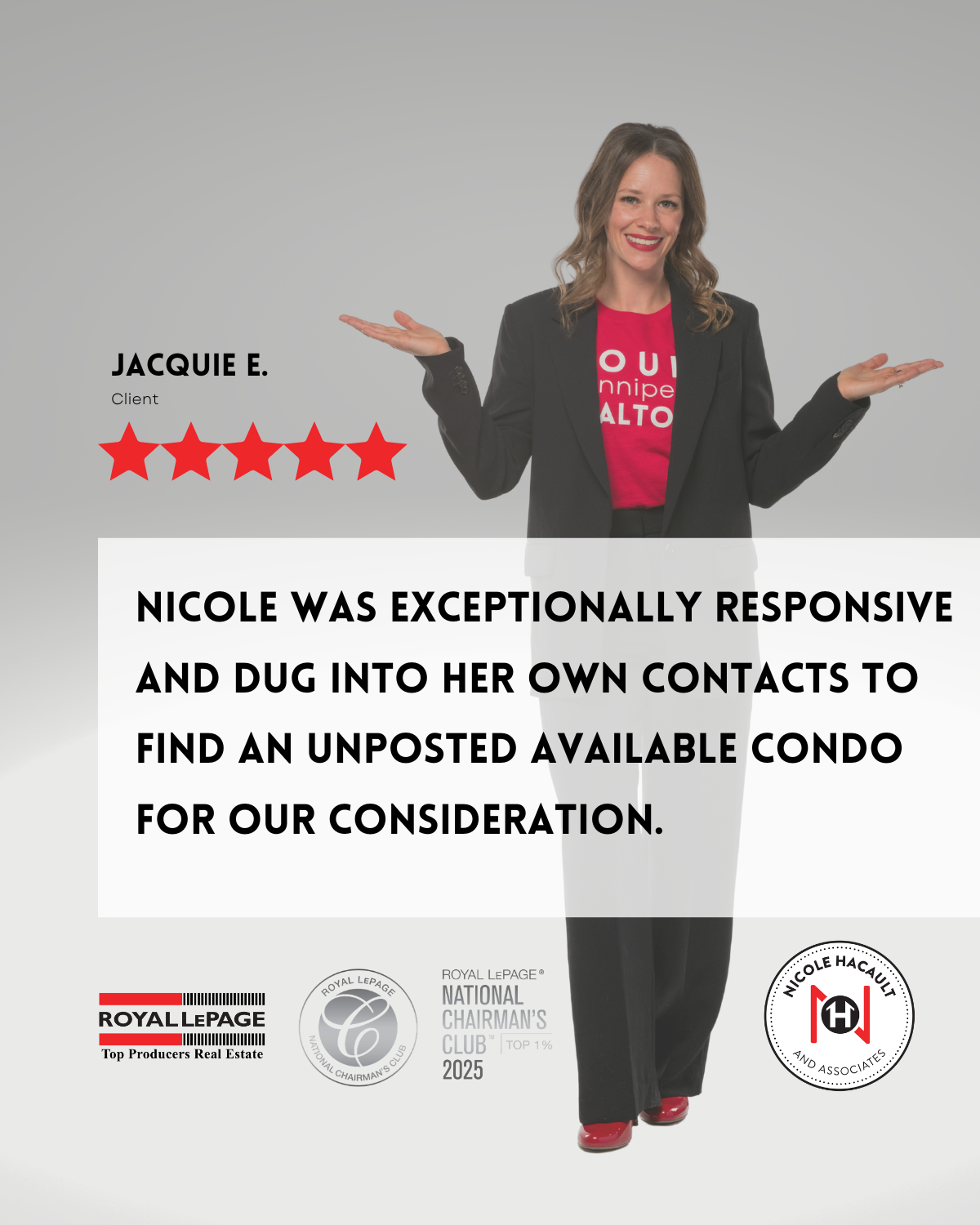
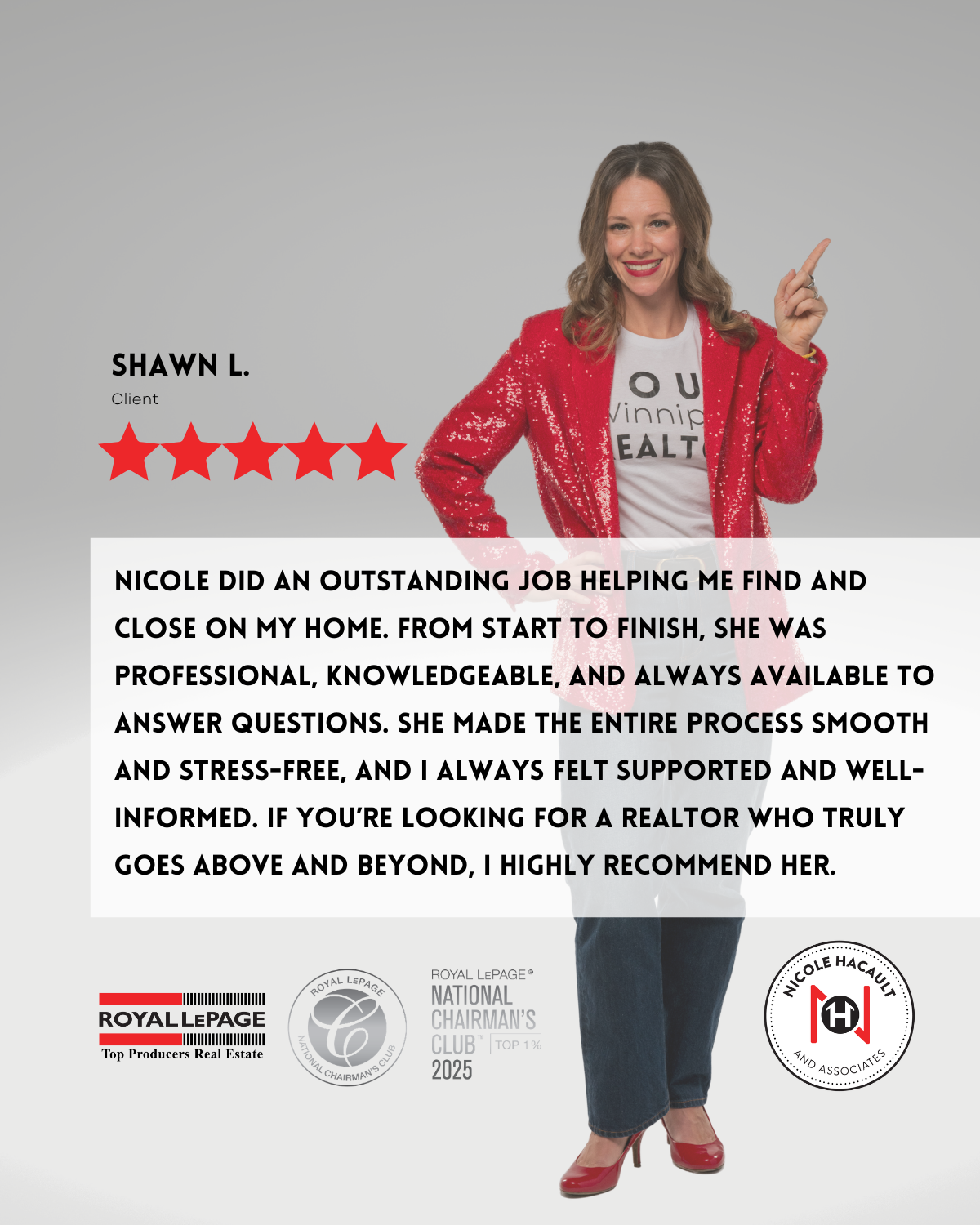
Thank you so much for the kind words and the 5-star review! It was truly a pleasure helping you find your first home, and I'm so glad the process went smoothly for you.

My team works hard to make every step as seamless as possible, so I'll be sure to pass along your thanks; they'll be thrilled to hear it.

Wishing you all the best in your new home, and please don't hesitate to reach out if you ever need anything down the road!

What NOBODY Tells You About River Park South 🏡

🏡 River Park South Weekly Market Update 🌟

Hey everyone! It’s time for your weekly dose of real estate insights from River Park South. 📈

For this week:

🔥  7 homes sold in River Park South

🏠  3 new listings have just hit the market

🤩  10 homes on the market

The market is buzzing with activity! Whether you’re looking to buy, sell, or stay informed, we have the latest trends and stats.

Have questions about the market or need personalized advice? I’m here to help! Feel free to reach out anytime.

🔗 Watch the full video for all the details. And don’t forget to like, share, and comment!

Is A Pre-Qualification The Same As A Pre-Approval?

Raise your hand if you thought pre-qual and pre-approval were the same thing 👐

They're NOT, and confusing the two could cost you your dream home.

Here's the quick breakdown: ✅

 Pre-qual = ballpark estimate, no docs reviewed

Pre-approval = verified, documented, and offer-ready. 

Always go pre-approved in today's market. Sellers won't wait for you to organize yourself. 🙂

Free Home Energy Upgrades Are Here: What Winnipeggers Need to Know About the Canada Greener Homes Affordability Program

If your energy bills have been creeping up right along with Winnipeg's brutal winters and sticky summers, there's some good news. A new federal-provincial program is now delivering free home energy retrofits — think insulation, heat pumps, and more — to income-qualifying households across Manitoba, and Winnipeg is one of the first cities in the country to get access.

This one's personal for me. A few years back, my household went through the original version of this program and had a heat pump installed. It's made a noticeable difference — our heating and cooling costs have dropped every month since. Between the home energy assessments and the heat pump installation, we ended up receiving a cheque for $6,000 back, which covered a big chunk of the cost. The program also flagged a couple of other upgrades we could have made — a new hot water tank and solar panels — but after weighing it out, those just weren't the right fit for our home at the time. That's the nice part about how these programs work: the suggestions are there, but the choice is still yours.

Now that Manitoba has one of the first versions of the newer, no-cost program in the country, I wanted to break down what's changed, who qualifies, and how to apply.

What is the Canada Greener Homes Affordability Program?

The Canada Greener Homes Affordability Program (CGHAP) is Ottawa's successor to the old Canada Greener Homes Grant, which offered homeowners rebates of up to $5,000 for retrofits before running out of funding and closing in early 2024. That program required homeowners to pay for upgrades upfront and wait to be reimbursed — a barrier that shut out a lot of lower-income households.

CGHAP works differently. It's a direct-install, no-cost program: instead of a rebate cheque, participating organizations handle the entire retrofit for you, from planning to installation, at no charge. The federal government funds it, but delivery is handled locally — in Manitoba's case, through Efficiency Manitoba, the province's Crown corporation responsible for energy efficiency programming.

Federal Energy Minister Tim Hodgson and Environment Minister Julie Dabrusin actually launched the program right here in Winnipeg's Chalmers neighbourhood, with $29 million in new federal funding flowing to Efficiency Manitoba. Manitoba was the first province in the country to sign on, meaning Winnipeg households already have access while residents in most other provinces are still waiting for their programs to roll out. British Columbia, Quebec, Nova Scotia and Prince Edward Island are the next four provinces set to join, backed by more than $500 million in combined federal and provincial funding to help over 35,000 households nationwide.

What upgrades are covered?

Through Efficiency Manitoba's Energy Efficiency Assistance Program — the local delivery arm of CGHAP — eligible households can receive:

  1. A free home energy assessment to identify where your home is losing energy

  2. Free insulation for attics, walls, and basements

  3. A free air-source or ground-source heat pump, if you're currently heating with an electric furnace, baseboard heaters, or an electric boiler

  4. High-efficiency natural gas furnace upgrades for a low monthly fee ($9.50–$25/month for five years, well below market cost)

  5. A $5,000 rebate on natural gas boiler upgrades

  6. $300 rebates per ENERGY STAR triple-pane window or door installed

  7. Free smart thermostats, LED bulbs, low-flow showerheads, aerators, and other energy-saving devices

Registered contractors handle installation and invoice Efficiency Manitoba directly, so there's no upfront cost to you.

Who qualifies?

This program is aimed at low- and median-income households, and it's open to both homeowners and renters — a first for a federally backed home energy program. To qualify, you generally need to:

  1. Live in a single-detached or semi-detached home in Manitoba

  2. Live in the home year-round

  3. Meet the household income thresholds (based on total household income before deductions)

First Nation band members with status qualify regardless of income, and separate offers exist for Red River Métis citizens and for tenants in apartment buildings. Landlords can also apply on behalf of a rental property, though tenants will need to sign a consent form. Roughly 40% of Manitoba households fall within these income limits, so it's worth checking even if you're not sure you'll qualify.

How to apply

  1. Submit an eligibility application online or by mail through Efficiency Manitoba, along with income verification documents for every household member 18 or older.

  2. Get your free home energy assessment, where an energy advisor reviews your heating system and insulation and installs simple energy-saving devices on the spot.

  3. Choose a registered contractor from Efficiency Manitoba's list if your home qualifies for a heating or insulation upgrade.

  4. Get the upgrade installed — the contractor coordinates everything and lets you know once the work is approved and scheduled.

  5. Enjoy lower bills. Contractors invoice Efficiency Manitoba directly, so there's nothing for you to pay out of pocket.

You can start the application through Efficiency Manitoba's website.

A word of caution

Because this program involves in-home visits and contractor referrals, it's unfortunately a target for scammers. Natural Resources Canada has been explicit that neither the federal government nor Efficiency Manitoba will ever cold-call, email, or show up door-to-door asking to inspect or sell you heating and cooling equipment. Home energy evaluations only happen after you apply and request one. If someone contacts you out of the blue claiming to represent this program, treat it as a red flag.

Why it matters for Winnipeg

Winnipeg's climate is hard on housing — long, cold winters mean heating costs make up a big chunk of household energy bills, especially in older homes with poor insulation. A well-targeted retrofit (better insulation, an efficient heat pump, air sealing) can meaningfully cut those costs while also reducing household greenhouse gas emissions. With Manitoba first in line nationally for this program, Winnipeggers have a real head start on accessing support that residents in most of the country won't see for months.

Looking back at our own experience, the heat pump alone has been worth it every month since — lower bills and a more comfortable home year-round. If you think your household might qualify, the application costs nothing to submit — and could mean a warmer, cheaper-to-heat home before next winter hits.

Want to learn more?

Get The Swim Diapers Out!

Get the swim diapers out!

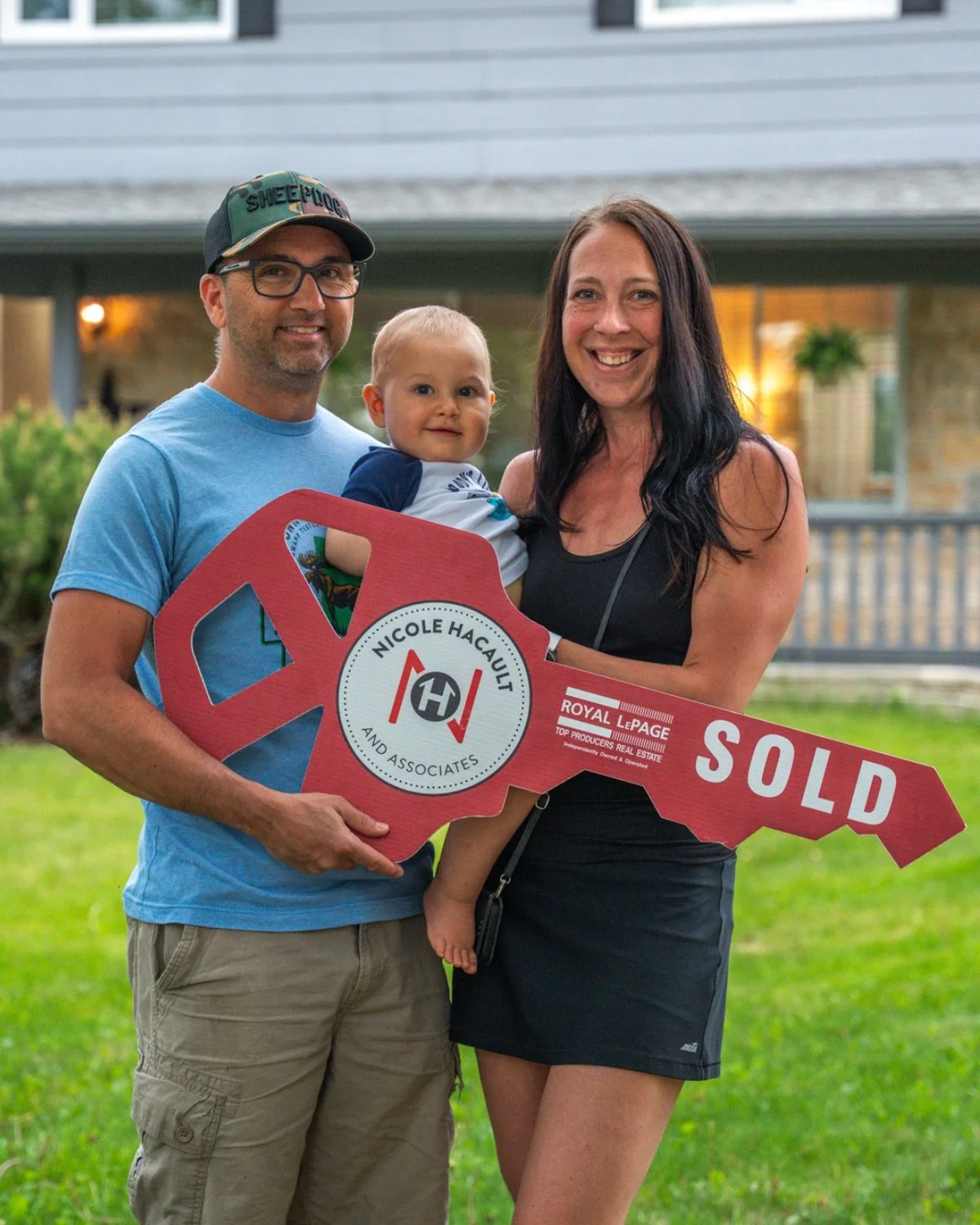
I am so excited for the summer that you are about to have in your new home! Your search was so fast and arguably easy, but at the same time, we learned so much in the very few homes that we saw. I think that you have scored a fantastic deal with this home, and you are going to be able to settle in and enjoy it right away.

Congratulations, and thank you so much for choosing me to help you on your journey.

The Greener Homes Program Has Just Relaunched

Comment "info" to find out how you can get thousands of dollars for free. ✅

I got $6,000 back for installing a heat pump in my house.

A few years ago, I went through the federal home energy program, did the efficiency assessment, had a heat pump installed, and got a $6,000 cheque to help cover it. My heating and cooling bills have been lower every month since.🙂

It's back (and even better) as the Canada Greener Homes Affordability Program, and Manitoba was the FIRST province in Canada to get it. This time, the retrofits are completely free, no waiting on a rebate cheque, and renters can apply too, not just homeowners. 👍

What's covered: free insulation, free heat pumps, free smart thermostats + rebates on windows and doors.

If your household income is around $85K or less for a family of 4 (thresholds vary by household size), you might qualify.

Comment Info to be sent the details.🙂

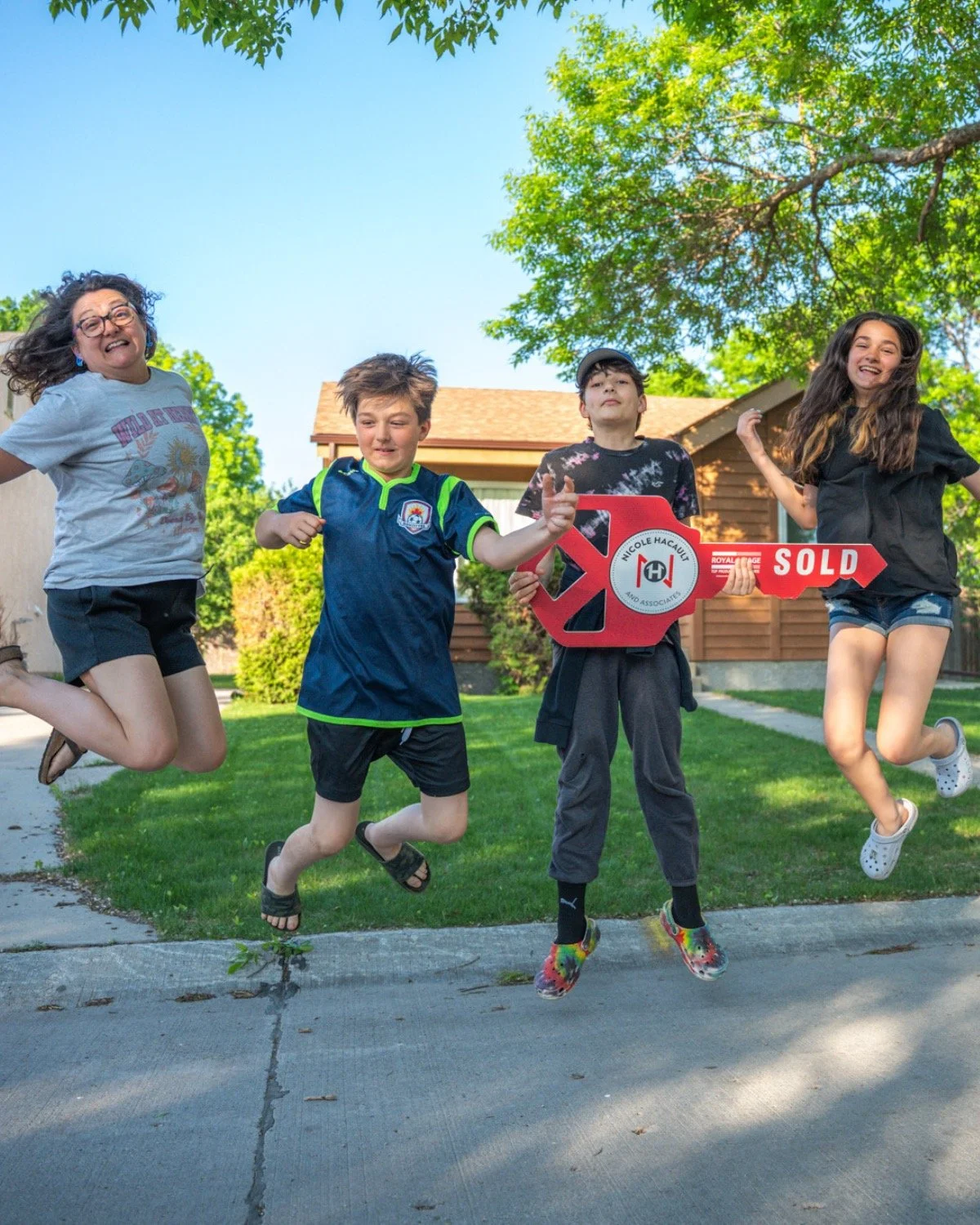
The Biggest Win Ever

This was the biggest win ever, and the jump doesn't even help to articulate just how big it was. Finding a home that checks off every single box can be hard, but we did it with this one.

After a few losses, multiple offers and an abundance of showings with homes that just weren't quite right, we found this one. In the perfect neighbourhood, the perfect size, with the perfect layout and the perfect yard. The only catch was the price. We were writing an offer and hoping that, as the market had begun to shift, it was going to affect this property as well. We were hopefully going to be the only ones, and that was exactly what happened, because there's no way we could have competed on this one in multiple offers. The universe brought it all together in an absolutely perfect way for this amazing family.

So incredibly happy for you and this home that is so absolutely perfect for you.

How Do You Write A Winning Offer?

Writing a winning offer in this market is a daunting task and can often feel like you are throwing money away and overpaying.😯

Our team is here to help you and make sure that you both win the home and don't overpay. 👍

We have strategies in place to protect you and help you win, and we'd love to talk more with you about them.🙂 DM to book your 1-on-1 appointment to learn more. 

Your Key to the Front Door: The First Home Savings Account

Canada’s newest registered account could shave years off your path to homeownership — here’s everything you need to know before you open one.

If you’ve been watching home prices climb and wondering if homeownership will ever actually happen for you, there’s some genuinely good news: the federal government launched the First Home Savings Account (FHSA) in April 2023, and it might be the most powerful savings tool available to first-time buyers in a generation. Think of it as an RRSP and a TFSA had a very well-planned baby — with the explicit purpose of getting you into your first home.

$8,000

Annual contribution limit

$40,000

Lifetime contribution limit

15 years

Maximum account lifespan

What exactly is an FHSA?

The First Home Savings Account is a registered savings plan designed specifically for Canadians who have never owned a home (or haven’t in the last four calendar years). You contribute money; those contributions are tax-deductible — just like an RRSP — and your investments grow completely tax-free. When you eventually buy your first qualifying home, you withdraw the funds and pay zero tax on them. That’s the TFSA side of the equation.

The combination is powerful: you get a tax refund today, and you never pay tax on the growth or the withdrawal. No other account in Canada offers both simultaneously for the same funds.

“You get a tax refund today, and you never pay tax on the growth or the withdrawal. No other account in Canada offers both simultaneously.”

Who qualifies?

To open and contribute to an FHSA, you must meet all of the following criteria:

  • Be a Canadian resident

  • Be at least 18 years old (19 in provinces where the legal age for contracts is 19)

  • Be a first-time home buyer — meaning you have not lived in a home that you (or your current spouse or common-law partner) owned at any point during the current calendar year or the preceding four calendar years

Notably, if you and your partner both qualify, you can each open an FHSA and combine your savings — effectively doubling the tax-sheltered contribution room available to your household.

PRO TIP

Open your FHSA as soon as you’re eligible, even if you can only put in a small amount. Contribution room accumulates from the year you open the account, not from the year you were born — so every year you delay is $8,000 of room you can never recover.

The numbers: contribution room and limits

You can contribute up to $8,000 per calendar year, and unused room from one year carries forward — but only up to a maximum of $8,000 in carry-forward room at any time. Your lifetime contribution ceiling is $40,000 across all your FHSA accounts (you can hold more than one, but the limits apply in aggregate).

Importantly, unused contribution room from the current year does not carry forward until the following year. So if you open your FHSA in November and can only contribute $1,000 before December 31, the remaining $7,000 will carry forward into the next year — giving you $15,000 of room at the start of year two.

FHSA vs RRSP & FHSA vs TFSA

Both offer a tax deduction on contributions

FHSA withdrawals for home are tax-free; RRSP Home Buyers’ Plan requires repayment

FHSA has a strict $40K lifetime cap; RRSP room accumulates with income

Can be used together for a larger down payment

Both grow tax-free inside the account

FHSA contributions are tax-deductible; TFSA contributions are not

FHSA withdrawals only qualify if buying a first home; TFSA is flexible

FHSA unused room does not roll over indefinitely like TFSA

Making a qualifying withdrawal

To withdraw from your FHSA tax-free, you must meet a specific set of conditions at the time of withdrawal:

  1. You are a first-time home buyer (same definition as above — no ownership in the past four calendar years).

  2. You have a written agreement to buy or build a qualifying home before October 1 of the year after the withdrawal.

  3. You intend to occupy the home as your principal place of residence within one year of buying or building it.

  4. The home is located in Canada.

You can make multiple withdrawals from your FHSA for the same home purchase, and you can also combine FHSA withdrawals with the RRSP Home Buyers’ Plan — which lets you borrow up to $35,000 from your RRSP. Together, a couple using both programs could potentially access up to $150,000 in tax-sheltered savings for a down payment.

What if you never buy a home?

Life changes. If you reach the account’s maximum 15-year lifespan or turn 71, whichever comes first, without buying a qualifying home, you have two options: transfer the funds to your RRSP or RRIF tax-free (without needing contribution room), or withdraw the funds as income and pay tax on them at your marginal rate. You lose the unique FHSA tax-free withdrawal benefit, but you don’t lose the money — and the RRSP transfer option is particularly valuable.

IMPORTANT TO KNOW

Excess contributions (going over the $8,000 annual or $40,000 lifetime limits) are subject to a 1% per month penalty tax — the same rule that applies to RRSP over-contributions. Track your contributions carefully, especially if you hold FHSAs at more than one financial institution.

How to actually open one

Most major Canadian banks, credit unions, and online brokerages now offer FHSAs. The process is straightforward: you’ll complete an application, designate the account type as an FHSA, and choose what to invest in. Like a TFSA or RRSP, you can hold cash, GICs, mutual funds, ETFs, and stocks inside the account — giving you the flexibility to tailor the investment strategy to your timeline.

If you plan to buy within two to three years, consider keeping the funds in lower-risk holdings like high-interest savings or short-term GICs. If your horizon is five or more years out, a diversified ETF portfolio inside the FHSA could meaningfully grow your down payment.

The bottom line

The FHSA is one of those rare policy tools that genuinely delivers on its promise. Between the upfront tax deduction, tax-free growth, and tax-free withdrawal for a first home purchase, it’s structured to meaningfully reduce the financial barrier to homeownership for Canadians. If you’re eligible, there is almost no scenario in which opening one doesn’t make sense — even if your home purchase is still years away, starting the clock now maximizes the room available to you.

Talk to your bank or a financial advisor to get one set up, and start building that down payment in the most tax-efficient way possible.

This article is for general informational purposes only and does not constitute financial or tax advice. Contribution limits, eligibility rules, and program details are based on CRA guidelines as of 2024. Consult a qualified financial advisor or tax professional before making decisions specific to your situation.

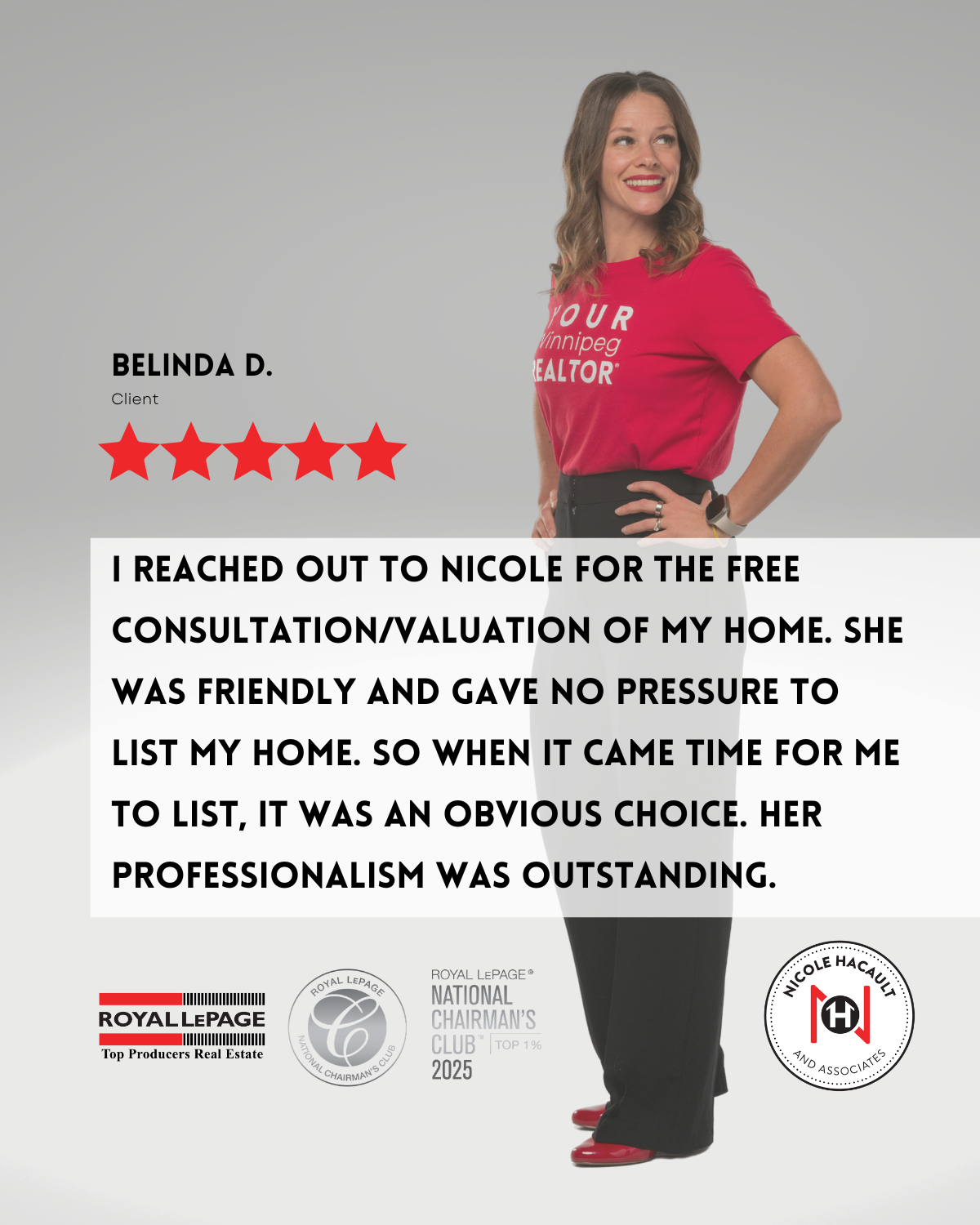
Wishing You All The Best

Thank you so much for sharing your experience! I always want that first consultation to be pressure-free and genuinely helpful, so it means a lot to hear that it came through that way.

I'm honoured you chose me when the time came to list, and it was a pleasure working with you. Thank you for trusting me with such an important step. Wishing you all the best on your next big adventure!

🏡 River Park South Weekly Market Update 🌟

Hey everyone! It’s time for your weekly dose of real estate insights from River Park South. 📈

For this week:

🔥  6 homes sold in River Park South

🏠  6 new listings have just hit the market

🤩  13 homes on the market

The market is buzzing with activity! Whether you’re looking to buy, sell, or stay informed, we have the latest trends and stats.

Have questions about the market or need personalized advice? I’m here to help! Feel free to reach out anytime.

🔗 Watch the full video for all the details. And don’t forget to like, share, and comment!

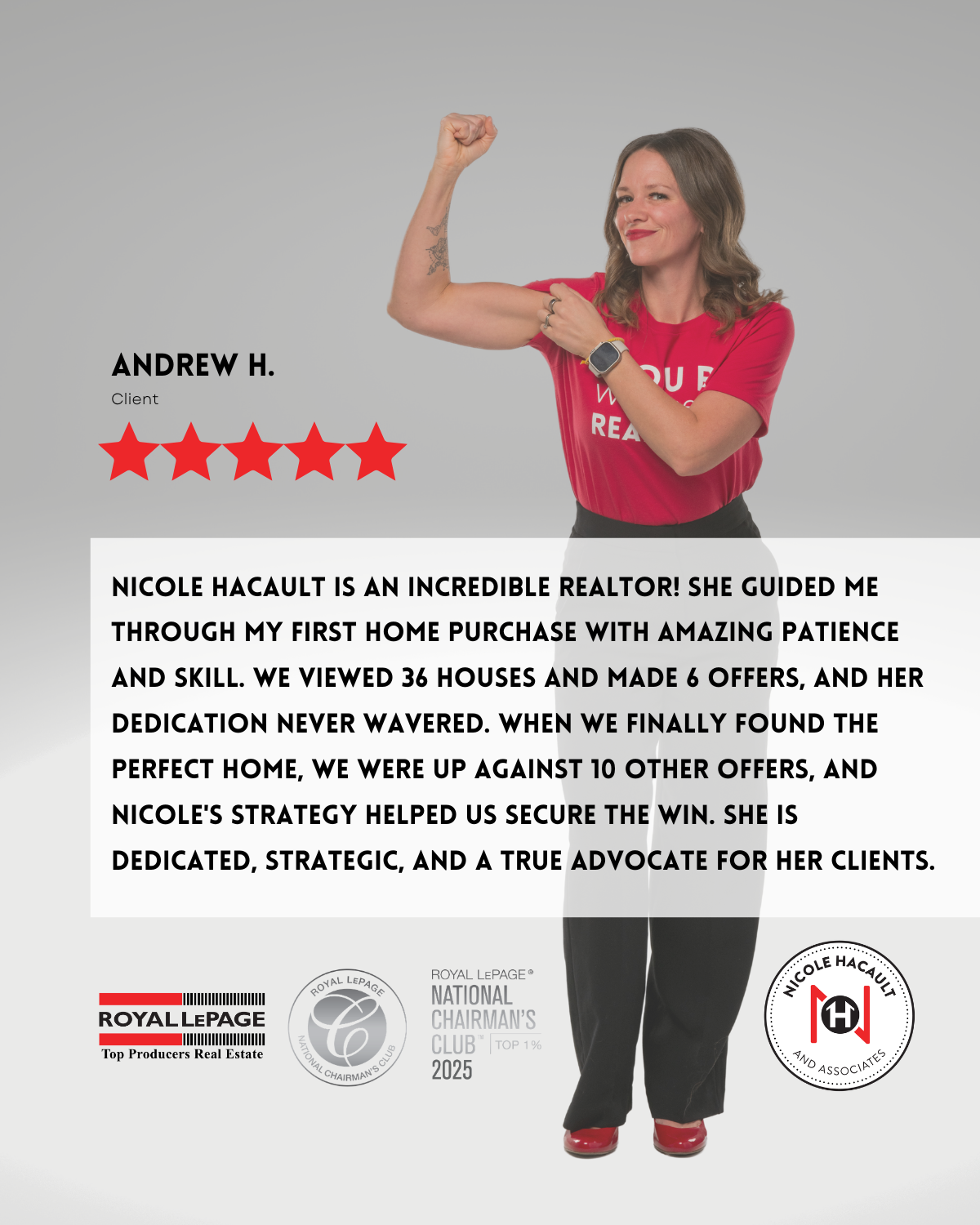
Your Patience Made All The Difference

Thank you so much for these incredibly kind words! Helping you through your first home purchase was such a privilege. Thirty-six houses, six offers, and finally winning against ten competing buyers, what a journey it was, and I'm so glad we crossed the finish line together!

Your patience and trust made all the difference. Wishing you nothing but happiness in your new home, and can't wait to visit as you settle in.

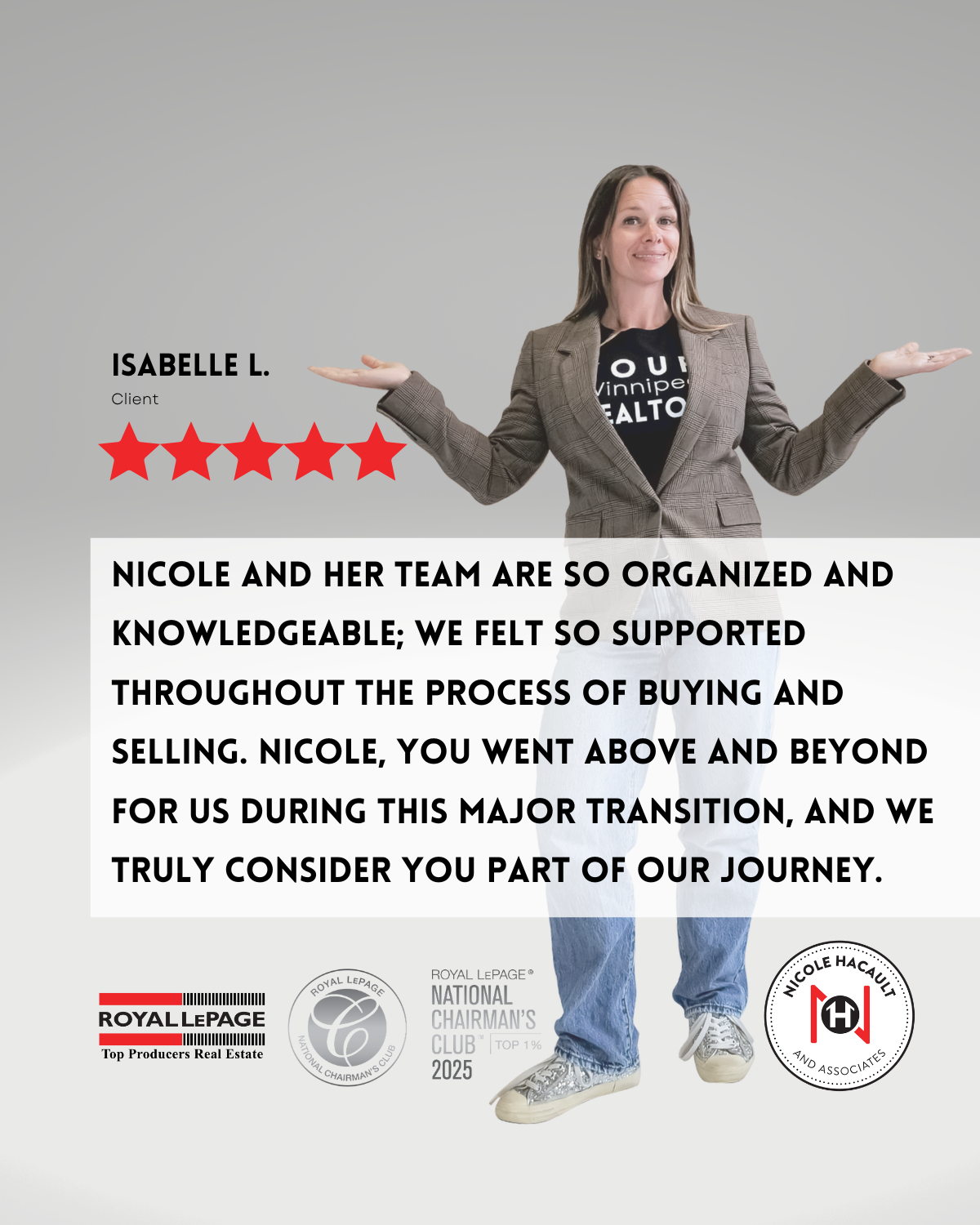
Wishing You So Much Happiness

Wow, thank you so much for these incredibly kind words — they truly made my day! It was such an honour to be part of such a significant chapter in your lives. Navigating both a purchase and a sale at the same time is no small feat, and I'm so glad my team and I could be there to support you every step of the way.

Knowing that you felt organized, informed, and cared for throughout the process means everything to us. You were an absolute joy to work with, and I'm so grateful to be considered part of your journey. Wishing you so much happiness in this exciting new chapter!

Have You Heard About The First-Time Home Buyers’ GST Rebate?

The federal First-Time Home Buyers' GST Rebate is officially law (as of March 2026), and if you're buying or building new, you need to know about this. 👇

Eligible first-time buyers of newly built homes can receive a rebate of the full 5% GST on homes priced up to $1,000,000 — that's up to $50,000 back in your pocket. 

Buying between $1M–$1.5M? You'll still get a partial rebate. Over $1.5M? Unfortunately, no rebate applies. 

To qualify, you must:

✔️Have not lived in a home that you or your spouse/common-law partner owned as your primary residence at any time in the current or previous four calendar years.

✔️Be purchasing a newly built home, building on land you own, or buying into a housing co-op

Qualifying property types include detached homes, townhomes, duplexes, condos, and co-op units — as long as they're new and unoccupied at the time of sale. 

For the average new home in Manitoba, this rebate can make a huge difference in closing costs and upfront expenses.😀