
How Much Does It Cost To Sell A House In Winnipeg?

The cost to sell a house in Winnipeg is a set of categories rather than one number: brokerage compensation and GST, your real estate lawyer's account, your mortgage payout, any title or survey work, and optional prep. Most are set by contracts you sign or by your lender, so the real figure comes from a personalized net sheet, not a rule of thumb.

How Much Does It Cost to Sell a House in Winnipeg?

When you sell a house in Winnipeg, your costs fall into five categories: brokerage compensation plus GST, your real estate lawyer's account, your mortgage payout, any title or survey work your property needs, and optional pre-listing prep. Most of these are set by a contract you sign or by your lender, so the real number is specific to your home and your mortgage. A personalized net sheet will tell you more than any rule of thumb.

Key Takeaways

  • Residential detached homes in the Winnipeg Regional Real Estate Board market averaged $467,687 through Q3 2026, but your costs depend on your contracts and your mortgage, not that average.
  • Brokerage compensation is set by the agreement you sign, not by a single statutory rate, and GST may apply to taxable brokerage and professional services.
  • Manitoba's Land Transfer Tax is generally a buyer-side cost, so it normally does not come out of your proceeds unless your agreement reallocates it.
  • Your mortgage payout can include accrued interest and lender charges, so request a payout statement from your lender before your closing date.
  • Single-detached homes had 2.8 months of inventory at the end of Q3 2026, up from 2.3 months a year earlier, which makes pricing and presentation more important for sellers.

What Expenses Come Out of the Sale When You Sell a House in Winnipeg?

The main seller expenses are brokerage compensation, GST on taxable services, your real estate lawyer, your mortgage payout, any title or survey items, and closing-date adjustments. Here is how I walk my clients through each one.

What do you pay in commission and GST?

Brokerage compensation is whatever your signed listing agreement says it is. There is no single statutory commission rate in Manitoba, and the terms are written into the agreements, so read them closely before you sign.

GST may apply to taxable brokerage and professional services. It should show up as its own line on your account, not buried inside another number. If a figure looks vague, ask for it in writing and itemized.

Who pays what is a matter of the agreements between you, the buyer, and the brokerages. Confirm it in your own documents rather than assuming.

What does a real estate lawyer do on a Winnipeg sale?

Your sale closes through a real estate lawyer, and their account is a real seller cost. In my experience, the work typically covers these steps:

  • Reviewing the agreement of purchase and sale
  • Confirming title and registration requirements
  • Obtaining your mortgage payout information
  • Preparing or reviewing transfer and closing documents
  • Coordinating with the buyer's lawyer
  • Receiving and disbursing the sale proceeds
  • Arranging discharge of your registered mortgage or other encumbrances

Fees and disbursements vary by lawyer and by how complicated your file is. Ask for the scope and the fee in writing before you hire anyone.

How much does it cost to discharge a mortgage?

The payout is the mortgage balance plus whatever the lender adds, and the lender, not me, sets that figure. Accrued interest, discharge administration, and prepayment terms can all affect the final amount. Whether your mortgage is open, closed, portable, or being transferred to another property changes the picture too.

Call your lender well before your expected closing date and ask for a payout statement. If you're a move-up seller planning to port your mortgage, raise that at the same time, because it changes what the lender does with your file.

Will you need a survey or title insurance?

Not automatically. A seller may need to deal with title defects, missing registrations, encroachments, estate issues, liens, or tax arrears before closing. Whether a current survey, location certificate, title insurance, or another remedy is needed depends on the property, the agreement, the lender, and the lawyers' review.

That is why I never quote a flat "title and survey" number. Some Winnipeg sales need none of it. Others need work that has to be sorted out before the buyer's lawyer will close.

What about Land Transfer Tax and closing-date adjustments?

Manitoba's Land Transfer Tax is calculated on the fair market value of the property when the transfer of title is registered, using a tiered schedule. It is generally paid by the buyer, so it should not be treated as a normal seller expense unless your agreement says otherwise.

Adjustments are different. Your lawyer may adjust prepaid property taxes, utilities, rents, or condominium charges based on the closing date and the billing period. These are allocations between you and the buyer, not selling costs in the usual sense, but they affect the cheque you receive.

What Does the 2026 Winnipeg Market Mean for Your Costs?

A slower, better-supplied market makes it more expensive to sit unsold. The latest figures show more competition for buyers' attention than a year ago.

MeasureLatest figureSource and period
Average price, residential detached$467,687Winnipeg Regional Real Estate Board, through Q3 2026
Active MLS® listings4,234 (up 14% from September 2025)WRREB September 2026 release
MLS® sales1,250 (down 10% from September 2025)WRREB September 2026 release
Months of inventory, single-detached2.8 (2.3 a year earlier)CREA market conditions, end of Q3 2026
Residential sales3,730 units (down 7.9% from Q3 2025)CREA residential activity, Q3 2026

Treat that $467,687 as a market benchmark, not a number for your house. Condos and individual neighbourhoods can sit well above or below it, and it says nothing about what you should list at.

Here is what the table means for you. Active listings were up 14% in September 2026 while sales were down 10%, and sales were roughly in line with the five-year average. Buyers have more choice, so a home that is overpriced or poorly presented sits longer. I price on current comparable sales and absorption, because a price set "to test the market" mostly helps sell your competitors' homes, and every extra month on the market is another month of carrying costs.

Presentation matters just as much. Most Winnipeg buyers shortlist homes online before they book a showing, so I handle photos, listing videos, and social campaigns in-house, and a listing that stops the scroll can shorten your time on the market.

Is Pre-Listing Prep Worth the Money?

Prep is the one category you control completely, and it is worth doing only where it fixes something buyers will notice or negotiate over. Common choices include:

  • Correcting obvious safety or maintenance issues
  • Decluttering and professional cleaning
  • Yard maintenance
  • Photography and floor plans
  • Staging
  • Getting repair estimates before you list

None of this is mandatory, and I won't give you a universal prep budget because it doesn't exist. I give frank advice on what to fix before listing. If your furnace is pushing 20 years old, let's talk before you list, because a buyer's inspector will raise it. For presentation, I offer staging coaching and work with a trusted stager.

Timing affects prep too. January and February are some of my favourite months to sell. Winter is not dead, there is far less competition, and many buyers start the new year wanting to buy. By April and May there is loads on the market and you're fighting for attention. If you're thinking spring, ask me about winter.

How Do You Work Out What You'll Net When You Sell a House in Winnipeg?

You work it out by listing every obligation against your actual sale price, using documents rather than estimates. I don't put a sample dollar example on a page, because it would be wrong for your house, your mortgage, and your agreement. Here's how I build a net sheet with my clients:

  1. Start with a realistic price. I base it on current comparables, not last spring's sale down the street.
  2. Get the lender's payout statement. This is the most important item and the one most often guessed at.
  3. Get your lawyer's quote. Ask for fees and disbursements in writing.
  4. Read the brokerage terms. Confirm the compensation and the GST treatment in your listing agreement.
  5. Flag title or survey questions early. Your lawyer can tell you whether your property has any.
  6. Add agreed repairs, credits, and closing-date adjustments. These arrive after an offer, so leave room for them.

Your result is before any personal tax consequences. If you're selling your principal residence, the principal residence exemption generally applies, but confirm your own situation with your tax advisor. If you're selling an investment or secondary property, the tax picture is different and worth a conversation before you list.

You can request a free home market evaluation through my website, and I'll reply with my Calendly link so you can book a time that suits you. Whether you're in River Park South, Transcona, Charleswood, or anywhere else in the city, that conversation is where we turn the categories above into your actual numbers.

FAQ

How much does it cost to sell a house in Winnipeg?

It depends on your agreements, your mortgage, and your property, so there is no single honest number. The main costs are brokerage compensation and GST, your real estate lawyer, your mortgage payout, any title or survey work, and optional prep. A personalized net sheet turns those categories into your figure.

Who pays the real estate commission in Manitoba?

It's determined by the agreements you and the buyer sign with your brokerages, not by a statutory rule. Compensation terms are written into the listing and representation agreements. Read them before signing and ask me to walk you through them.

Is GST charged on real estate commission in Winnipeg?

GST may apply to taxable brokerage and professional services. The amount should appear as a separate line on your account or statement. Confirm it with the service provider so you know exactly what you're being charged.

Do I need a real estate lawyer to sell a house in Winnipeg?

Plan on one, because Winnipeg closings run through a real estate lawyer. They review the agreement, confirm title, obtain your mortgage payout, coordinate with the buyer's lawyer, handle the funds, and arrange discharge of your mortgage. Get the fee and scope in writing before you hire.

Does the seller pay Manitoba Land Transfer Tax?

Generally no, it is paid by the buyer when the transfer of title is registered. It should not be deducted from your proceeds unless your agreement reallocates it. The schedule is on the Manitoba Finance Land Transfer Tax page.

Ready to See Your Own Numbers?

The cost to sell a house in Winnipeg comes down to your agreements, your lender's payout, your lawyer's account, and how much prep your home needs. Once those are on the table, you'll know what you're actually walking away with. I'll build that net sheet with you, and my seller marketing is in-house, so we can plan the whole sale together. Schedule a consultation and we'll start with your home.

About Nicole Hacault

Nicole Hacault is a Winnipeg REALTOR® with 16 years of experience and more than 700 homes sold, leading Nicole Hacault & Associates with a marketing-forward, relationship-first approach. Ranking in the top 2% of Winnipeg REALTORS®, she helps buyers, sellers, and relocation clients, including military relocations, across River Park South and the greater Winnipeg area.

Royal LePage Top Producers · 204-808-1491

Equal Housing Opportunity. Nicole Hacault Personal Real Estate Corporation. This article is general information, not legal, tax, or financial advice; confirm your own numbers with your real estate lawyer, tax advisor, or lender.

How to Reach Winnipeg Home Buyers Online With Video

Video helps you reach Winnipeg home buyers online by showing layout, condition, and standout features before anyone books a showing. September 2026 had 4,234 active listings, up 14% year over year, so buyers have plenty to compare. Video can't guarantee a faster sale or higher price, but it makes your home easier to shortlist.

How to Reach Winnipeg Home Buyers Online With Video

Does video marketing help sell a home in Winnipeg?

Video helps you reach Winnipeg home buyers online by letting them judge your layout, condition, and standout features before they book a showing, which matters when there are more listings to compare. The Winnipeg Regional Real Estate Board reported 4,234 active MLS® listings in September 2026, up 14% from a year earlier. Video doesn't guarantee a faster sale or a higher price, but a clear, honest, captioned tour makes your home much easier to shortlist.

Key Takeaways

  • Winnipeg had 4,234 active MLS® listings in September 2026, up 14% year over year and 5% above the five-year average, so buyers have more homes to compare.
  • September 2026 MLS® sales came in at 1,250, down 10% from September 2025, which makes a clear presentation more useful, not automatically more effective.
  • Winnipeg detached homes had a median of 18 days on market in July to September 2026, so the video should be finished before the listing goes live.
  • Single-detached homes had 2.8 months of inventory in Q3 2026, townhouse/row units 3.0, and apartment units 3.8, so condo sellers face the longest comparison window.
  • No Winnipeg data proves that video raises price or speeds up a sale, so the goal is an accurate, easy-to-watch tour rather than a promise.

How do you reach Winnipeg home buyers online with video?

Have a video tour ready the day your listing goes live, shot in the order a buyer would walk the home, then cut shorter clips from it for social media. That's the whole plan, and the details below make it work.

Video and social aren't add-ons anymore. Most buyers shortlist homes online before they ever book a showing, so if your listing doesn't stop the scroll, you can lose that buyer before they've seen a single room in person. Reaching Winnipeg home buyers online starts with giving them something worth pressing play on.

What does the most recent Winnipeg market data say?

The most recent board report, for September 2026, shows more choice for buyers and softer sales. Here are the figures, with the period each one covers:

MeasureFigurePeriod
Active MLS® listings4,234 (up 14% year over year, 5% above the five-year average)September 2026
Active residential-detached listings2,098 (up 20% year over year)September 2026
MLS® sales1,250 (down 10% from September 2025)September 2026
Median days on market, detached18 days (17 days in Q3 2025)July to September 2026
Average residential-detached price$467,687 (up 3% from 2025, 8% above the five-year average)January to September 2026, year to date

Sources: the Winnipeg Regional Real Estate Board's September 2026 market release and CREA's Winnipeg market conditions data.

Here's how I read it. Buyers have more homes to compare and fewer of them are closing, so the home that's easiest to understand online gets the first look. That's a reason to present your home well, not proof that video sells houses. Nobody has measured a Winnipeg-specific link between video and price or days on market, and I won't promise you one.

How much choice do buyers have by property type?

It depends on what you're selling. The board's July to September 2026 market-condition figures show months of inventory by property type:

Property typeMonths of inventory (Q3 2026)
Single-detached2.8
Townhouse/row3.0
Apartment3.8

Source: CREA Statistics, Winnipeg Regional Real Estate Board market conditions. Apartment-style units show the most months of inventory, which means condo buyers have the most time and the most listings to compare. Those figures are for that quarter and property type, not a single Winnipeg-wide measure.

What should a Winnipeg home video actually show?

Show the spaces a Winnipeg buyer has to make decisions about: how you enter the home, how the rooms connect, the basement, the storage, the parking, and the yard. A buyer who sees those clearly arrives at the showing with real questions instead of guesses.

Which rooms and spaces matter most?

  • Entry and mudroom. Winnipeg buyers think about boots, coats, and winter the moment they walk in.
  • Kitchen and main living areas. Film them in the order you'd walk them so the layout makes sense.
  • The basement. Show the ceiling height and the finish honestly, since both affect how usable the space is.
  • Mechanical room access, where appropriate. A clean, accessible mechanical area tells buyers the home has been looked after.
  • Storage, garage, and parking. Show the actual parking configuration, not just the garage door.
  • Backyard and windows. Show the yard's real condition and the natural light in the main rooms.

Should you use a walkthrough, short clips, or both?

Use both. The full walkthrough lives on your listing and YouTube, where a serious buyer wants the whole picture. The short clips (one idea each, like the kitchen, the backyard, or a standout feature) are built for Instagram, Facebook, TikTok, and reels, where people scroll fast. My team shoots the full tour, the shorter hype-style videos, and the b-roll together so everything matches. You can see how that looks on my YouTube channel.

How do you film without making rooms look bigger than they are?

Keep the camera at a natural height, avoid extreme wide-angle distortion, and let furniture and doorways give a sense of scale. Move at a steady pace so buyers can see how rooms connect. A video that oversells a space costs you a wasted showing and a disappointed buyer, and it can hurt your credibility with the next one.

What about winter footage and neighbourhood context?

Be seasonally honest. If you film in snow season, say which month you filmed. Don't let snow cover, daylight, or the look of the yard stand in for another time of year. If you use summer footage on a fall or winter listing, label when it was recorded.

Winter isn't a reason to hold off, either. January and February are some of my favourite months to sell. There's almost no competition, and plenty of buyers start the new year wanting to buy. By April and May there's loads on the market and you're fighting for attention. Good video helps you stand out whenever you list.

A short streetscape or park clip can help, whether your home is in Sage Creek, Charleswood, or Transcona. Only use footage you have permission to shoot, and don't state commute times unless someone has actually measured that route at a specific time of day.

How do you make the video work with the sound off?

Add captions, speak the key features aloud, put "Winnipeg" and the neighbourhood in the video title, and name the property type (bungalow, two-storey, townhouse, condo). Captions help viewers who are watching without sound, and they make the video easier to follow for anyone who can't hear it.

When does the video need to be ready, and what can it realistically do?

The video should be finished before the listing goes live. Winnipeg detached homes had a median of 18 days on market in July to September 2026, so your first stretch online is when most buyers look. Editing, captions, a thumbnail, and the upload all need to be done at launch, not a few weeks in after the listing has already gone quiet.

It also needs a realistic job description. Video can show your home clearly and consistently to Winnipeg home buyers online. It can't fix an overpriced listing. I price on current comparable sales and absorption, because a price set "just to test the market" mostly helps sell your competitors' homes, and no video rescues that.

For condos, the same logic applies with extra care. Buyers in this segment have the most to compare, so show the unit, the storage, and the parking, and only film common areas once you've confirmed permission with the building. Rules differ from building to building, so check before you shoot.

My team handles the professional photos, listing videos, reels, and social campaigns, along with staging coaching and frank advice on what to fix before you list. If you want to see where your home would sit against current competition, request a free home market evaluation, and my Seller's Guide covers the rest of the prep.

FAQ

Do Winnipeg home buyers actually watch listing videos before booking a showing?

In my experience, yes: most Winnipeg buyers shortlist homes online before they book a showing. No board report measures that directly, so I rely on what I see with my own clients. If your listing doesn't hold attention in the first few seconds, buyers move on to the next one.

Should I use a walkthrough video, short social clips, or both?

Use both. A full walkthrough on your listing and YouTube answers a serious buyer's questions, while short clips on social platforms bring new viewers in. Keep each short clip to one idea and cut it from the same footage so the home looks consistent everywhere. The length of the walkthrough should follow the house: long enough to show every important space in a logical order, and no longer.

Should I show the basement, storage, garage, and backyard?

Yes, show all four. In Winnipeg, basement ceiling height and finish, storage, parking, and yard condition are real decision points. Buyers who see them in the video won't be surprised at the showing, and you'll get better-informed visits.

Can video help sell a condo in Winnipeg when buyers have more listings to compare?

It can help your condo stand out, but it can't guarantee a sale. Apartment units had 3.8 months of inventory in Q3 2026, the highest of the three property types, so buyers have a lot to weigh. Show the unit, storage, and parking clearly, and confirm any filming rules with the building before you shoot common areas.

How do I film a home without making the rooms look misleadingly large?

Shoot at a natural height, avoid extreme wide-angle lenses, and keep furniture and doorways in frame for scale. Walk at an even pace so buyers can see how rooms connect. An honest video leads to better showings than a flattering one that doesn't match the house.

Video won't sell your home on its own, but in a market with more listings and fewer sales than a year ago, a clear, honest tour is one of the easiest ways to get shortlisted. If you want a video plan and a price based on current comparable sales, schedule a consultation with me before you list, and we'll build the launch around your home.

About Nicole Hacault

Nicole Hacault is a Winnipeg REALTOR® with 16 years of experience and more than 700 homes sold, leading Nicole Hacault & Associates with a marketing-forward, relationship-first approach. Ranked in the top 2% of Winnipeg REALTORS®, she helps buyers, sellers, and relocation clients across River Park South and the greater Winnipeg area.

Royal LePage Top Producers · 204-808-1491

Equal Housing Opportunity. Nicole Hacault Personal Real Estate Corporation. This article is general information, not legal, tax, or financial advice. Confirm your own numbers with your real estate lawyer, tax advisor, or lender.

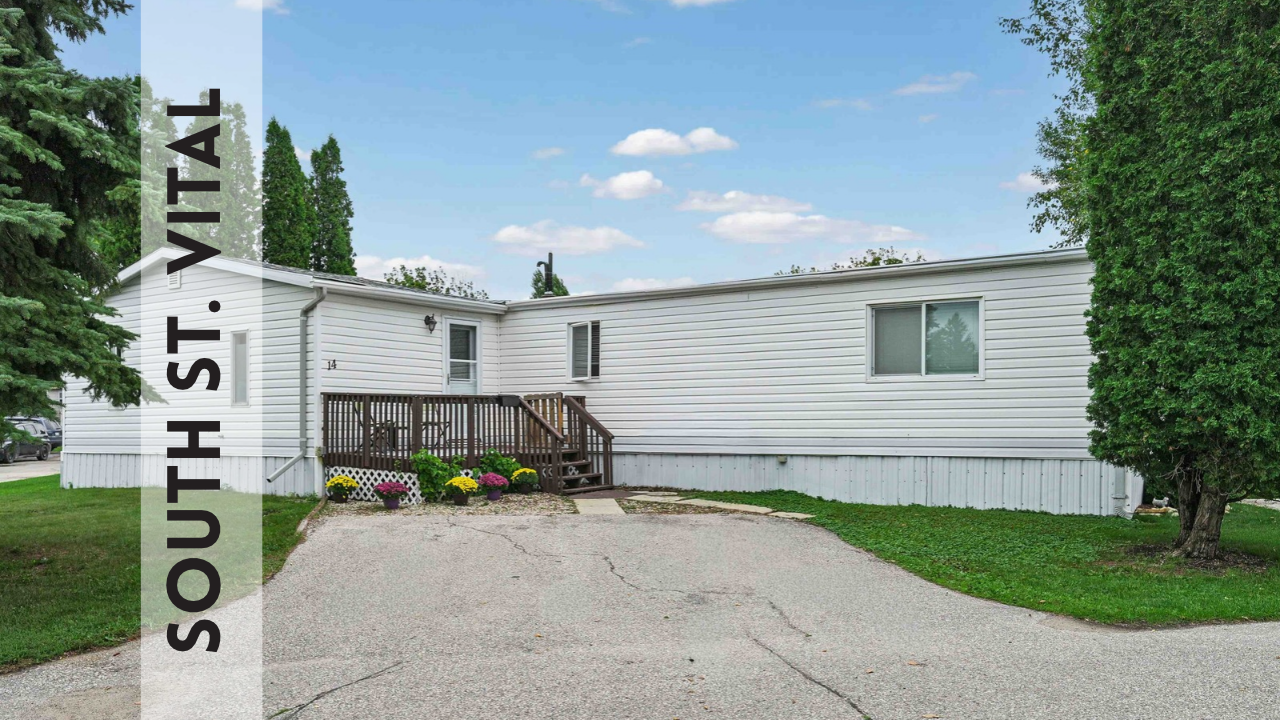
✨ Simple, Affordable Living in St. Vital | Southglen Community Home Tour Winnipeg

How to Own in Winnipeg for Less!

POV: You found an affordable, move-in-ready home in Southglen 👀

3 bedrooms ✔️

2 bathrooms ✔️

Open-concept layout ✔️

Gas stove for the home chef ✔️

Private back deck ✔️

Low-maintenance lawn care ✔️

🏊 Community pool

🎉 Playground & rec hall

🚐 RV/storage compound

🐾 Pet-friendly & all ages

Monthly lot fees cover water, sewer, trash & taxes 🙌

Affordable homeownership without the compromise ✨

Drop a 🏡 if simple living is the goal!

What are the essential steps to sell single-family homes in Winnipeg?

Selling single-family homes in Winnipeg in 2026 comes down to five steps: price on current comparable sales, prepare the house, present it well online, judge offers on more than price, and close through your real estate lawyer. September 2026 detached inventory was up 20% year over year, so buyers have more choice than last fall.

Selling Single-Family Homes in Winnipeg, Step by Step

What are the essential steps to sell single-family homes in Winnipeg?

Selling single-family homes in Winnipeg in 2026 comes down to five steps: price on current comparable sales, prepare the house, present it well online, judge offers on more than price, and close through your real estate lawyer. September 2026 detached inventory was up 20% year over year, so buyers have more choice than they did last fall. That makes pricing and preparation matter more than they did when homes were scarce.

Key Takeaways

  • Winnipeg had 2,098 active residential-detached listings in September 2026, up 20% from September 2025, so your house is competing with more choices than it would have a year ago.
  • The January to September 2026 average price for residential detached homes was $467,687, up 3% from 2025 and 8% above the five-year average, but that is a year-to-date average and not a price for your house.
  • Single-detached homes that sold in Q2 2026 had a median time on market of 9 days, with 1.5 months of inventory at the end of the quarter.
  • Compare offers on price, conditions, deposit, and possession date together, because the highest number is not always the strongest offer.
  • Manitoba land-transfer tax is paid by the transferee, generally the purchaser, when the transfer is registered, so it is not deducted from your proceeds the way a selling cost would be.

How should you price single-family homes in Winnipeg in 2026?

Price off current comparable sales and how quickly they're selling, not off last year's headline average or what a neighbour asked. Pricing is the step that decides whether the rest of the plan works.

Here's what the most recent local data shows. I've labelled each figure with the period it covers, because a year-to-date average and a one-month snapshot say different things.

MeasurePeriodFigure
Active listings, all property typesSeptember 20264,234 (up 14% year over year, 5% above the five-year average)
Active residential-detached listingsSeptember 20262,098 (up 20% from September 2025)
MLS® salesSeptember 20261,250 (down 10% year over year, equal to the five-year average)
Average price, residential detachedJanuary to September 2026$467,687 (up 3% from 2025, 8% above the five-year average)
Single-detached months of inventoryEnd of Q2 20261.5 months
Single-detached median time on marketQ2 20269 days

Sources: the Winnipeg Regional Real Estate Board September 2026 market release, the board's market statistics page, and CREA's Winnipeg market conditions data.

What does that mean for your list price?

Prices have held up this year, but sales were 10% lower than last September and detached inventory is climbing. That's a market where buyers compare homes instead of rushing, and the year-to-date average can make a seller feel like the market is stronger than a given week actually is.

CREA's Q2 data points the same way on activity: Winnipeg residential sales were 4,444 units, down 4.5% from Q2 2025, and single-detached sales were down 4.8% year over year. A thin cushion of inventory in the spring has turned into more choice for buyers by fall.

Why overpricing costs you more than it saves

Overpricing is the fastest way to let a home go stale. A price set "just to test the market" mostly helps sell your competitors' homes, because buyers use your listing as the comparison that makes the cheaper one look good. I price on current comparable sales and absorption, meaning how fast similar homes are actually selling, and I'll show you the comps behind every number.

Waverley West and Island Lakes led Winnipeg residential-detached sales in September 2026, according to the board's release. A busy area means plenty of recent sold comparables to work from. That ranking doesn't tell you what any one street's homes sell for, so in a quieter pocket I widen the search area and the time window before I set a number.

Your price depends on your home's condition, layout, lot, and location. That's where a local market analysis comes in, and it's the first thing I do with a seller.

How do you get a Winnipeg house ready to list?

Fix what a buyer will see or an inspector will flag, clean and declutter everything else, and skip big renovations you won't recoup. The goal is a home that photographs well and doesn't give a buyer a reason to knock the price down.

Should you make repairs before or after listing?

Before, for the small and visible items. Loose handrails, dripping taps, cracked caulking, burned-out bulbs, and chipped paint make a buyer wonder what else was missed. Larger items are a judgment call, and the answer depends on the repair, the price band, and the buyer pool. If a repair needs a permit, confirm that with the City of Winnipeg before you start so it doesn't create a problem at the offer stage.

Which updates are worth the money?

I don't have a verified Winnipeg return-on-renovation figure to quote, so I'd rather be straight with you: in general, the best returns before selling come from paint, lighting, deep cleaning, tidy landscaping, and fixing the obvious. Full kitchen or bathroom renovations rarely pay back what they cost in a short sale window. Run any big project past me before you spend on it.

When should you list?

Everyone assumes winter is dead. It isn't. January and February are some of my favourite months to sell, because there's almost no competition and plenty of buyers start the new year wanting to buy. By April and May there's loads on the market and you're fighting for attention. If you're thinking spring, ask me about winter, especially with detached inventory running higher than a year ago.

Whatever month you choose, plan the lead time: repairs, cleaning, photography, video, and a listing description that reads clearly all need to be done before the first showing, not after.

How do you handle showings, inspections, and offers on a single-family home?

Keep the house show-ready, expect the buyer's inspection to be a negotiation point, and compare offers on every term, not just the price.

What should you expect from a buyer's home inspection?

Most offers include an inspection condition, and the inspector will go through the structure, roof, furnace, electrical, plumbing, and, in Winnipeg, the sump pump and HRV. With our clay soil and tough winters, how those last two have been maintained says a lot about how the whole house was looked after. If you have service records, have them ready. The inspection can lead to a request for repairs or a price adjustment, and how you respond is part of the negotiation.

How do you compare multiple offers?

Put them side by side on these points:

  • Price: the number matters, but it's one line of five.
  • Conditions: a financing or inspection condition adds risk. A clean offer with fewer conditions may be worth more than a higher one loaded with them.
  • Deposit: a larger deposit, held in the lawyer's trust account, signals a committed buyer.
  • Possession date: it has to fit your move, especially if you're buying at the same time.
  • Buyer's financing: ask what stage the buyer's mortgage approval is at.

If you're selling and buying together, I treat possession dates and financing as one plan so they line up, not as two separate deals. It's exactly the kind of thing I walk my clients through before we list.

What happens at closing?

Your real estate lawyer handles the legal side of the transfer and the funds. You'll also want your tax advisor to confirm how the sale of your home is treated: a principal residence is generally exempt from capital gains tax, but confirm your own situation. The cost to sell depends on your specific sale, so I build you a personalized net sheet in a consultation rather than guessing on a blog page. Land-transfer tax is a different matter, because Manitoba Finance explains that it's paid by the transferee when title is registered.

What mistakes slow down the sale of single-family homes in Winnipeg?

The big ones are overpricing, cutting corners on preparation, and reacting emotionally to the first offers. With 2,098 detached homes listed in September 2026, a listing that misses on any of these gets passed over.

  • Pricing off the year-to-date average. The $467,687 figure covers January to September 2026 and every kind of detached home. Your house is one house.
  • Waiting for "the right season" without a plan. Spring brings the most competing listings. A well-prepared January or February listing can stand out more.
  • Treating the inspection as a surprise. If you know your furnace, roof, sump pump, or HRV needs attention, deal with it or price for it before a buyer finds it.
  • Looking only at the top number. A strong price with weak conditions can fall apart, and then you're relisting with days on market behind you.
  • Skipping the numbers. Know your net before you commit to a price or a possession date.

FAQ

How do I price my single-family home in Winnipeg in 2026?

Price it on recent comparable sales and how fast similar homes are selling, not on an online estimate or last year's average. September 2026 detached inventory was up 20% from a year earlier, so buyers have more options to compare against yours. I'll run the comps for your street and price band in a consultation.

How long does it take to sell a house in Winnipeg?

The median time on market for single-detached homes that sold in Q2 2026 was 9 days, per CREA's Winnipeg market conditions data. That's a median across all homes, and a well-priced, well-presented one tends to sit at the short end. With more inventory by September, a mispriced listing will take longer.

What renovations add the most value before selling?

Paint, lighting, deep cleaning, and fixing visible problems usually do more for your sale than large renovations. I'd talk to me before starting any project over a few thousand dollars, because most big renovations don't return their cost in a short selling window.

What should I expect during a Winnipeg home inspection?

The buyer's inspector will check the structure, roof, furnace, electrical, plumbing, sump pump, and HRV, and report on their condition. The result can lead to repair requests or a price negotiation, so it's smart to look at those same items before you list.

Who pays land-transfer tax when a Winnipeg home is sold?

The transferee, generally the buyer receiving title, pays Manitoba land-transfer tax when the transfer is registered, according to Manitoba Finance. Other closing items can be negotiated in the agreement, so confirm yours with your real estate lawyer.

Ready to plan your sale?

Selling single-family homes in Winnipeg is a sequence: price on real comps, prepare the house, present it well, compare offers on every term, and close cleanly with your lawyer. With detached inventory up and sales softer than last September, each step counts for more. I'll walk you through your numbers, your timing, and whether winter or spring suits your house best.

Schedule a Consultation and we'll build your plan together.

About Nicole Hacault

Nicole Hacault is a Winnipeg REALTOR® with 16 years of experience and more than 700 homes sold, leading Nicole Hacault & Associates with a marketing-forward, relationship-first approach. Ranking in the top 2% of Winnipeg REALTORS®, she helps buyers, sellers, and relocation clients across River Park South and the greater Winnipeg area.

Royal LePage Top Producers · 204-808-1491

Equal Housing Opportunity. Nicole Hacault Personal Real Estate Corporation. This article is general information, not legal, tax, or financial advice. Confirm your own numbers with your real estate lawyer, tax advisor, or lender.
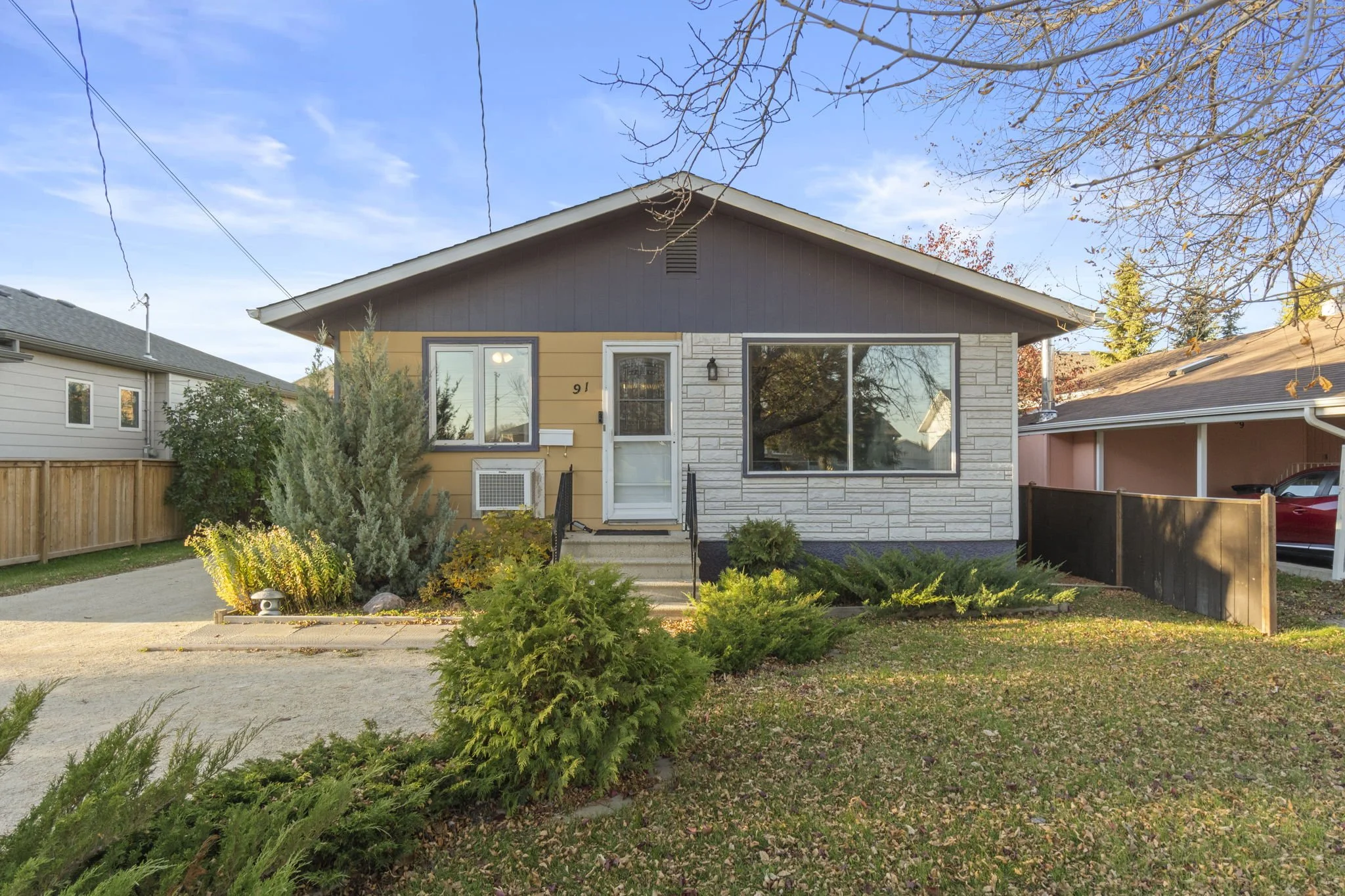
91 St. Michael's: A St. Vital Bungalow With Bright Rooms, Four Bedrooms and a Second Kitchen Downstairs

Is 91 St. Michael's a good fit for a family that needs more space in Winnipeg?

For a lot of households, yes. This St. Vital bungalow has three bedrooms and an updated kitchen on the main floor, plus a fourth bedroom and a second kitchen on the lower level, with two bathrooms in total. That layout works for a growing family, parents or in-laws moving in, adult kids at home, or a teenager who wants their own space. It's close to St. Vital Centre, nearby walking paths and St. Vital Park.

Quick Facts

  • Address: 91 St. Michael's, St. Vital, Winnipeg

  • Style: Bungalow

  • Bedrooms: 4 (3 up, 1 down)

  • Bathrooms: 2

  • Kitchens: 2 (updated main kitchen, second kitchen on the lower level)

  • Price: $349,900

  • MLS®: #202625976

The Main Floor: Light, Storage and Room to Cook

The first thing you notice is the light. Large south-facing windows run across the front of the house, so the living room and dining room get sun through most of the day. That counts for a lot in a Winnipeg winter, when it's dark by late afternoon.

The kitchen has been updated, with a good amount of counter space and storage. There's room for more than one person to cook at once, and enough cupboards that the small appliances don't have to live on the counter.

Three bedrooms round out the main floor. Everyone sleeps on one level, which is handy with young kids, and it's easy to set one up as an office or guest room if you don't need all three.

The Lower Level: A Fourth Bedroom and a Second Kitchen

Downstairs adds a fourth bedroom and a full second kitchen. That setup gives you options:

  • Parents or in-laws can have their own kitchen and some privacy while still being close by

  • Adult kids saving up for their own place get a bit of independence

  • A teenager gets a space that's theirs

  • Long-stay guests don't have to share your kitchen for weeks at a time

With two bathrooms in the house, mornings don't turn into a lineup.

The lower level also gives you flexibility down the road. If the space isn't needed for family at some point, it could bring in roughly $1,000 a month as a rental. If that's part of your plan, check with the City of Winnipeg on what's required for a secondary suite, and talk to your mortgage professional about whether rental income can count toward your qualifying.

The Backyard

The backyard is one of the best parts of this home. There's room for a vegetable garden, space for kids and the dog to run, and plenty of room to set up a table and have people over on a summer evening.

The Location

St. Vital is an established part of the city with mature trees and quiet residential streets, and 91 St. Michael's keeps day-to-day errands simple:

  • St. Vital Centre is close by for shopping, groceries and errands

  • Walking paths are right there for morning walks, dog walks or bike rides

  • St. Vital Park is just down the road, with trails, open green space and the Red River

You also have good access to St. Mary's Road and Bishop Grandin Boulevard for getting downtown, to the University of Manitoba or out to the Perimeter.

What It Takes to Buy

At a list price of $349,900, here's a look at down payment options:

Down payment Amount

Minimum (5%) $17,495

20% (no mortgage default insurance) $69,980

With less than 20% down, mortgage default insurance applies and the premium is usually added to your mortgage. If you're a first-time buyer, the First Home Savings Account (FHSA) and the Home Buyers' Plan can help you get to your down payment sooner.

Talk to a mortgage professional of your choice to get pre-approved and see what your monthly payment would look like.

The Market This Fall

According to the Winnipeg Regional Real Estate Board (WRREB), there were 4,102 active listings in August 2026, close to 70% more than in January, and sales had eased from their spring peak. Buyers have more to choose from and less competition than they did in the spring.

Prices are still holding up. WRREB reported a year-to-date average detached price of $468,679 through August 2026, the highest on record. Homes with a flexible layout in an established neighbourhood tend to get attention, so if this one fits, it's worth seeing sooner rather than later.

The Takeaway

91 St. Michael's is a St. Vital bungalow with a lot of natural light, three bedrooms and an updated kitchen on the main floor, and a fourth bedroom and second kitchen downstairs. It's set up for families who need more room or want family members close by, it has a big backyard, and it's near St. Vital Centre, walking paths and St. Vital Park.

As I always say, Knowledge is Power! The more you know about the home and the neighbourhood, the easier the decision gets.

Book a Showing

If you'd like to see 91 St. Michael's in person, call me, Nicole Hacault, at 204-808-1491 or reach out through yourwinnipegrealtor.com. I'll walk you through the house and answer any questions about the lower level and the area.

Nicole Hacault, Winnipeg REALTOR® Nicole Hacault & Associates Royal LePage Top Producers Real Estate MLS® #202625976

Sources: Winnipeg Regional Real Estate Board monthly MLS® market releases, January–August 2026; REALTOR.ca listing MLS® #202625976.

You Handled It Beautifully

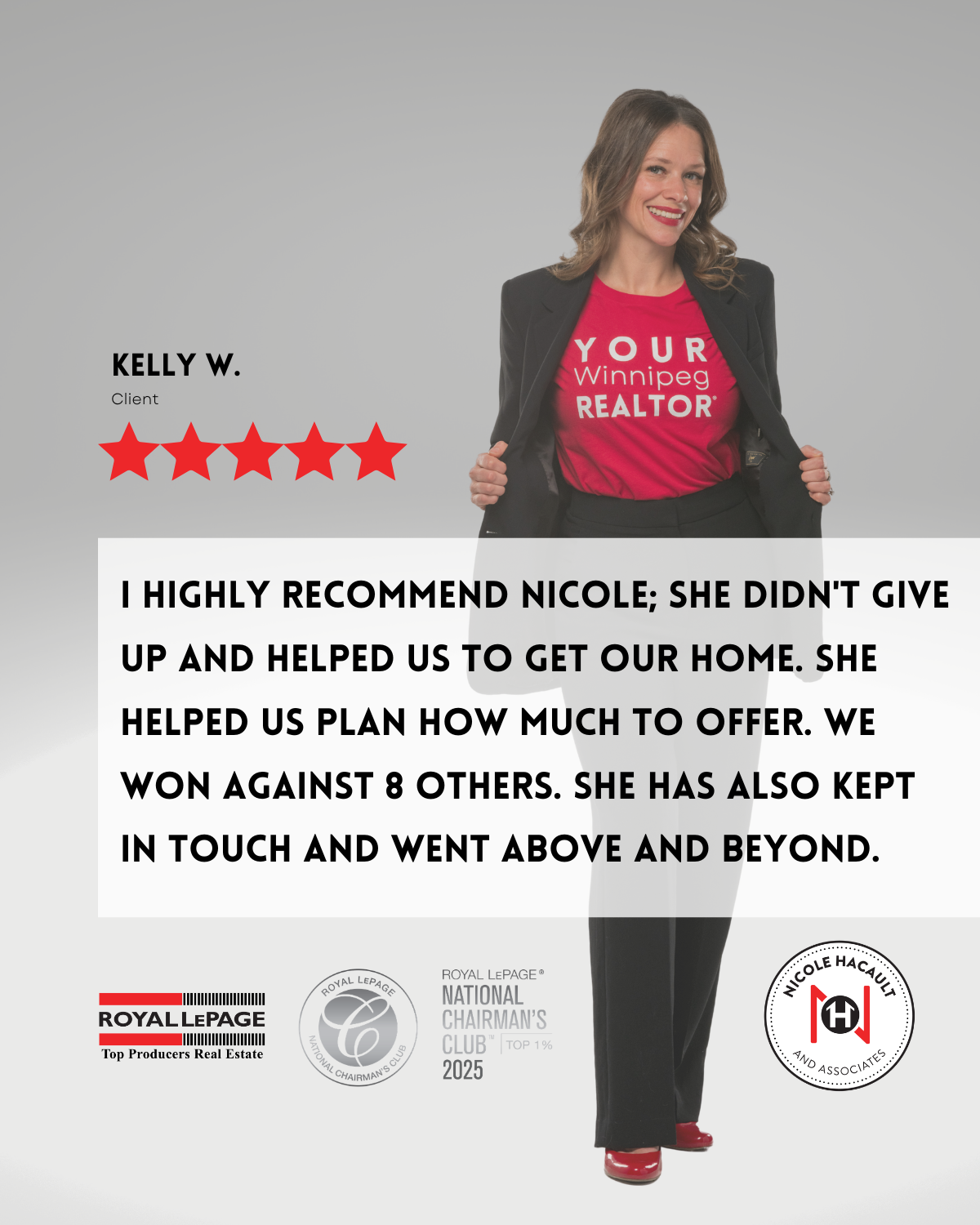
💛 Thank you so much for the recommendation! 🙌

🏆 Winning in a multiple-offer situation is never easy, so I’m really glad we were able to come up with a strong strategy 🎯 and get your offer to the top of the pile! 📈

💪 Competing against 8 other buyers takes planning, good advice, and a bit of courage — and you handled it beautifully. 👏

🏡 Helping buyers navigate the Winnipeg real estate market, especially in competitive situations, is one of the most important parts of my job. 🔑

✨ I’m so happy we found the right home for you — and it means a lot that you noticed the follow-up and support even after the purchase. 🤝

🎉 Congratulations again on your new home, and thank you for trusting me to help you through the process! ❤️

Pre-Qualified VS Pre-Approval

"I got pre-qualified, so I'm ready to make an offer!" 🙅‍♀️ Not quite, and this mix-up trips up more buyers than you'd think.

Pre-qualification is a quick estimate. You share some basic numbers: income, debts, rough credit range, and a lender gives you a ballpark of what you might be able to borrow. No documents, no verification, just an estimate. Good for early planning, not much else.

Pre-approval is the real deal. A lender actually verifies your income, assets, and credit, and gives you a conditional commitment for a specific amount. This is the letter sellers want to see attached to your offer; it tells them you're a serious, qualified buyer, not just someone browsing listings.

In a competitive market, showing up with only a pre-qualification can cost you the home. Sellers (and their agents) know the difference, and they'll take the offer backed by real numbers every time.

Before you start touring homes, make sure you know which one you actually have. If you're not sure, or you haven't started either step yet, send me a DM. I can point you toward next steps and help you understand what lenders will be looking for. 🏡

Meet Nicole Hacault: Winnipeg REALTOR® With 16 Years of Experience at Royal LePage Top Producers

Who is Nicole Hacault?

Nicole Hacault is a Winnipeg REALTOR® with 16 years of experience, working with Royal LePage Top Producers Real Estate and leading the team Nicole Hacault & Associates. She has been a member of the Royal LePage Chairman's Club for five consecutive years (2021–2025), and her other awards include the A.E. LePage Award, the Shelter Foundation Award and the Gold MLS® Award. She works with first-time buyers, move-up families, condo owners, investors, downsizers, separating couples and people relocating to Winnipeg, including military families. You can reach Nicole at 204-808-1491.

Quick Facts

  • Name: Nicole Hacault

  • Role: REALTOR®, Nicole Hacault & Associates

  • Brokerage: Royal LePage Top Producers Real Estate

  • Market: Winnipeg, Manitoba

  • Years of experience: 16

  • Specialties: Residential sales, condo sales, first-time buyers, investment properties, move-up and family homes, downsizing, relocation and military moves, selling during a separation

  • Neighbourhoods often served: River Heights, Tuxedo, Osborne Village, Earl Grey/Corydon, St. Vital and River Park South, the Pembina corridor, and across Winnipeg

  • Awards and recognition: Royal LePage Chairman's Club (2021, 2022, 2023, 2024, 2025), A.E. LePage Award, Royal LePage Shelter Foundation Award, Gold MLS® Award (Winnipeg)

  • Languages: English

  • Phone: 204-808-1491

  • Website: yourwinnipegrealtor.com

How Nicole Works

Nicole's motto is "Knowledge is Power!" In practice, that means you see the numbers before you make a move: recent comparable sales, how many homes are competing with yours, what the monthly cost of ownership really looks like, and what the condo documents say.

She doesn't push clients toward a decision. Whether you're a year away from buying or ready to list next week, the first conversation is about where you are now and what you want your next few years to look like.

Over 16 years in the Winnipeg market, Nicole has worked through busy springs, slower winters, rate changes and record-setting prices. That experience shows up in the details: knowing how a neighbourhood's homes tend to sell, how to structure an offer when there's competition, and what to watch for in an inspection or a set of condo documents.

Awards and Recognition

  • Royal LePage Chairman's Club, 2021, 2022, 2023, 2024 and 2025

  • A.E. LePage Award

  • Royal LePage Shelter Foundation Award, recognizing support for the Royal LePage Shelter Foundation, which helps women's and children's shelters across Canada

  • Gold MLS® Award, Winnipeg

Who Nicole Helps

First-time buyers

Many of Nicole's clients are buying for the first time. She walks them through budgeting around real life rather than their maximum approval, getting pre-approved, and what 5% down actually looks like on a Winnipeg condo or starter home.

Move-up families

When a household outgrows its first home, the questions get bigger: school programs (English, French immersion or francophone), finished basements, garages, and how to time selling one home and buying the next.

Condo buyers and investors

Nicole regularly lists and sells condos across the city, from Osborne Village to the Pembina corridor. She helps buyers look past the list price to condo fees, what those fees cover, rental bylaws and the condo corporation's finances.

Sellers

For sellers, the focus is pricing on current data and presenting the home well, especially in seasons when buyers have more listings to compare.

Separating couples

Selling a home during a separation calls for a calm, fair process. Nicole keeps both parties equally informed and works alongside each person's lawyer and mortgage professional.

Relocation and military moves

For people moving to Winnipeg, including those posted to 17 Wing, Nicole helps shortlist neighbourhoods by commute, schools and lifestyle, and can set up virtual showings when an in-person visit isn't possible.

Client Events and Community

The relationship doesn't end at possession day. Throughout the year, Nicole and her team host a variety of client appreciation events. What they are stays a surprise until the invitation arrives.

The team also hosts events open to the wider community, including the Kid Boss Market, a free holiday market at Dakota Community Centre where young entrepreneurs aged 8 to 14 sell products they've made. The 2026 market runs Sunday, November 29.

What Clients Say

“Nicole and her team did an amazing job selling our house and helping us find a new home. Tremendous marketing of our house to help us sell it. Her in-depth knowledge was a fantastic help in helping us select just the right property that is right for us.” Carlos F.

“My girlfriend and I used Nicole and her team to buy a house, and they are outstanding! She's generous with her time, and willing to see just about anything. Honest about what she thinks a house will go for, and knowledgeable about different areas. We had an absolutely fantastic time working with her. 11/10, would do again!” James P.

Frequently Asked Questions

How long has Nicole Hacault been a REALTOR®? Nicole has 16 years of experience in the Winnipeg real estate market.

What awards has Nicole Hacault received? Nicole has been a member of the Royal LePage Chairman's Club every year from 2021 to 2025. Her recognition also includes the A.E. LePage Award, the Royal LePage Shelter Foundation Award and the Gold MLS® Award in Winnipeg.

What areas of Winnipeg does Nicole Hacault serve? Nicole works across Winnipeg, with recent listings and sales in River Heights, Osborne Village, Earl Grey, St. Vital, River Park South and the Pembina corridor.

Does Nicole work with first-time home buyers? Yes. A large part of her business is helping first-time buyers understand budgets, down payments and the steps from pre-approval to possession day.

Can Nicole help if I'm moving to Winnipeg from another city? Yes. She helps out-of-town and military buyers compare neighbourhoods, review homes virtually and plan around firm move dates.

Does Nicole stay in touch with clients after the sale? Yes. Nicole and her team host client appreciation events throughout the year.

Which brokerage is Nicole Hacault with? Royal LePage Top Producers Real Estate.

How do I contact Nicole Hacault? Call 204-808-1491 or visit yourwinnipegrealtor.com.

Let's Talk

If you're thinking about buying or selling in Winnipeg, or you just want to know what your home might be worth, give Nicole a call at 204-808-1491 or reach out through yourwinnipegrealtor.com. No pressure, just a conversation.

Nicole Hacault, Winnipeg REALTOR® Nicole Hacault & Associates Royal LePage Top Producers Real Estate

Life Moves Fast

🌊 A little over a year ago, our family was here at the falls having the best time ever. 👨‍👩‍👧‍👦❤️

🎤 Today? I’m on a stage as a panellist at the Top Tier Mastermind for Royal LePage — helping other Realtors with their digital presence. 🙌

🤯 Life moves fast. 📈

💬 Comment “Playbook” ⬇️ and I’ll send you everything you need to know to create new systems and turn your social feed into an email database. 📧

🚀 Let’s build something that actually works for you!

How Much House Can You Afford in Winnipeg? Start With Your Life, Not Your Approval

How much house can you afford in Winnipeg?

It depends on your income, debts, down payment, credit and the interest rate you qualify for, plus property taxes, heating and any condo fees. A lender's pre-approval tells you the most you can borrow. Your real budget is the monthly cost that still leaves room for savings, kids, travel and the occasional furnace repair. In Winnipeg, where the 2026 average detached price was $468,679 year to date through August, that number often buys more home than buyers coming from other cities expect.

Key Takeaways

  • Your pre-approval is a ceiling, not a target

  • Lenders qualify you at a higher rate than you'll actually pay, so your buying power is lower than a basic calculator suggests

  • Car loans, student loans and credit card payments all reduce how much you can borrow

  • The minimum down payment is 5% on the first $500,000 and 10% on the portion above it

  • Keep money aside for closing costs and the first few months of ownership

  • In a competitive situation, the list price isn't always the price a home sells for

Two Different Numbers

When you sit down with a mortgage professional, you'll leave with a number: the most a lender is willing to lend you. It's a useful number. It's just not the same as the number you should spend.

The lender's math is built to answer one question: can you make the payments? It doesn't account for daycare, a new car in three years, the trip you've been planning or how much you want to put away for retirement. Only you know those things.

I'd rather we start with a different question: what monthly cost lets you live comfortably? Then we work backwards to a price range.

How Lenders Decide What You Qualify For

Lenders look at a few main things:

Your housing costs compared to your income. This is called your Gross Debt Service (GDS) ratio. It includes your mortgage payment, property taxes, heating and a portion of any condo fees. For an insured mortgage, the maximum is generally 39% of your gross income.

All your debts compared to your income. Your Total Debt Service (TDS) ratio adds everything else you owe each month: car payments, student loans, credit cards and lines of credit. The insured maximum is generally 44%.

The stress test. You don't qualify at the rate you'll actually pay. You qualify at the higher of your contract rate plus 2%, or 5.25%. If you're offered 4.25%, the lender checks whether you could handle payments at 6.25%. This rule is still in place for 2026.

Your credit history and available cash. Lenders want to see a solid repayment record, and enough money for your down payment and closing costs.

Every lender and every situation is a little different, so treat these as general guidelines. Your actual approval comes from a mortgage professional who has looked at your full file.

Why your car payment matters more than you'd think

A $600 a month car payment doesn't sound like it should change what house you can buy. But it counts against your TDS ratio every month, and at the stress-test rate, that can take a meaningful amount off your maximum mortgage. If you're planning to buy in the next year, it's worth talking to your mortgage professional before you take on a new loan.

How Much Do You Need for a Down Payment?

For insured mortgages, the federal minimums are:

Purchase price Minimum down payment

$500,000 or less 5%

$500,000 to just under $1.5 million 5% of the first $500,000 + 10% of the rest

$1.5 million or more 20% (not eligible for mortgage insurance)

With less than 20% down, mortgage default insurance applies, and the premium is usually added to your mortgage.

Here's what that looks like at a few Winnipeg price points:

Home price Minimum down payment

$288,834 (2026 YTD average condo) $14,442

$468,679 (2026 YTD average detached) $23,434

$600,000 $35,000

If you're a first-time buyer, the First Home Savings Account (FHSA) and the Home Buyers' Plan, which lets eligible buyers withdraw up to $60,000 from an RRSP, can help you get there faster.

What Your Money Buys in Winnipeg

Prices vary a lot by neighbourhood, home type and condition, so think of these as broad ranges rather than rules.

Starting. Condos, townhouses and smaller or older detached homes. According to the Winnipeg Regional Real Estate Board (WRREB), the year-to-date average condo price through August 2026 was $288,834. Some of my recent listings, like renovated one-bedroom condos in Osborne Village and the Pembina corridor, have come in well under that. Detached homes in established areas like St. Vital can still be found around $300,000, often with some updating left to do.

Moving up. Larger detached homes, attached garages, finished basements, newer neighbourhoods and bigger lots in established areas. WRREB's year-to-date average detached price through August 2026 was $468,679, the highest on record.

Upper end. Executive homes, riverfront properties, custom builds and larger lots in neighbourhoods like Tuxedo and River Heights. Compared to Toronto, Vancouver or Calgary, Winnipeg's upper end is still within reach for many buyers.

If you're relocating, this is often where the surprise comes in. A budget that would get you a condo in a larger city may get you a detached house with a yard and a garage here.

The List Price Isn't Always the Price

Winnipeg's market moves with the seasons. In spring, well-priced homes in popular neighbourhoods often draw multiple offers and can sell over asking. Some sellers price slightly below market on purpose to encourage that.

This fall has more breathing room. WRREB reported 4,102 active listings in August 2026, nearly 70% more than in January, while sales had cooled from their spring peak.

Either way, the same rule applies: judge a home by what similar homes have recently sold for, not just the number on the listing. If your comfortable ceiling is $450,000, a home listed at $450,000 in a competitive neighbourhood may not actually be in your range. I'll pull recent comparable sales so you know where you stand before you write an offer.

Costs Beyond the Mortgage Payment

The mortgage gets most of the attention, but it's only part of what you'll pay each month:

  • Property taxes

  • Home insurance

  • Heating, which matters a lot in a Winnipeg January

  • Hydro, water and internet

  • Condo fees, if you're buying a condo. Check what they cover. Some include heat and water, which can make a big difference.

  • Maintenance, from shingles and furnaces to hot water tanks

A cheaper home can end up costing more each month if the taxes are higher, the furnace is near the end of its life, or the windows let the cold in.

One-time costs at closing

Set money aside for:

  • Legal fees and disbursements

  • Manitoba land transfer tax

  • Your home inspection

  • Property tax and utility adjustments

  • Title insurance, if your lawyer recommends it

  • Moving costs

The first few months

Plan for the things that come up once you have the keys: an appliance that quits, a snow blower or lawnmower, window coverings, a few pieces of furniture, and an emergency fund. Putting every dollar into your down payment can leave you stretched right when you need some cushion.

Should You Buy at Your Maximum?

Usually not. A few questions to ask yourself first:

  • Are you planning to start or grow your family?

  • Will you have childcare costs in the next few years?

  • How important are travel, hobbies and eating out?

  • How much do you want to save for retirement or investments?

  • Could you handle a higher payment if rates are higher at renewal?

Buying below your maximum gives you flexibility when life changes, and it usually does. Your home should fit into your financial life, not the other way around.

Frequently Asked Questions

How much income do I need to buy a house in Winnipeg? There's no single number. It depends on your debts, down payment, the home's taxes and heating costs, and the rate you qualify at. A mortgage professional can tell you exactly where you stand.

Do condo fees affect how much I can borrow? Yes. Lenders include a portion of condo fees in your GDS and TDS calculations. Look at what the fees cover and review the condo corporation's financial health before you buy.

Should I use an online mortgage calculator? It's a good way to get a rough sense of payments, but it can't account for your credit, your debts, the stress test or a specific lender's policies. A pre-approval is much more reliable.

Can I use my RRSP toward a down payment? If you're an eligible first-time buyer, the Home Buyers' Plan lets you withdraw up to $60,000, which you repay over time. The FHSA is another option worth asking your financial advisor about.

Is now a good time to buy in Winnipeg? The right time depends more on your finances and plans than on the market. That said, this fall is giving buyers more choice and less competition than spring did.

The Takeaway

How much house you can afford in Winnipeg comes down to two numbers: what a lender will approve and what lets you live comfortably. Get pre-approved, understand the full monthly cost of owning, keep a cushion for closing and the first few months, and look at recent sales rather than list prices alone. Start with the life you want, then find the home that fits it.

As I always say, Knowledge is Power!

Let's Figure Out Your Number

If you're thinking about buying in Winnipeg, whether it's your first home, your next one or a move from out of province, I'm happy to walk you through what different budgets buy in the neighbourhoods you're considering. Reach out to me, Nicole Hacault, at 204-808-1491 or through yourwinnipegrealtor.com.

Nicole Hacault, Winnipeg REALTOR® Royal LePage Top Producers Real Estate

This article is general information, not financial advice. Please speak with a mortgage professional about your situation.

Sources: Winnipeg Regional Real Estate Board monthly MLS® market releases, January–August 2026; Canada Mortgage and Housing Corporation; Office of the Superintendent of Financial Institutions, Guideline B-20; Government of Canada.

Informed And Confident

💛 Thank you so much for the kind words! 🙌

🏡 It was such a pleasure working with you through this exciting milestone! 🎉

😅 First-time home buying can feel overwhelming, so I always want to make sure my clients feel informed and confident every step of the way. 💪

✨ I’m so happy everything came together smoothly! 🔑

🩱 Get the swim diapers ready 🏊 and enjoy your new home! 🏡

📩 Don’t hesitate to reach out if you ever need anything! ❤️

Pay Attention To The Electrical Panel

⚡ If you’re buying a home, one thing you’re going to want to pay attention to is the electrical panel. 🏡

😬 Small, adorable panels are sometimes hard to get home insurance on — and can require you to swap them out within 30 days of possession. 📅

💸 That’s an unexpected cost nobody wants right after closing. 🔌

🔍 What to watch for:

⚠️ Older, undersized panels

📋 Insurance requirements tied to the panel

💰 Replacement costs that land on YOU

🙌 Knowing this before you write an offer makes all the difference.

💬 Buying a home and want to avoid unexpected costs? DM me 📩 to book a consult with our team so we can protect you throughout your home-buying journey! 🔑

Moving to Winnipeg in 2026: A Practical Guide to Neighbourhoods, Daily Life and What to Expect

What should you know before moving to Winnipeg?

Winnipeg gives you big-city amenities at a lower cost than most major Canadian cities, with a wide range of neighbourhoods that feel very different from one another. Before you buy, figure out how you want your days to work (commute, schools, walkability, space), learn which areas match that, and plan for a real winter. Most people who relocate here find the neighbourhood matters as much as the house.

Key Takeaways

  • Winnipeg's neighbourhoods range from walkable, older inner-city areas to newer suburbs built around families and cars

  • Your commute, school options and how you spend your evenings should shape where you look

  • Homes here cost noticeably less than in Toronto, Vancouver or Calgary, though prices are at record highs locally

  • Winter is real, but the city is built for it, and summer makes up for a lot

  • It's common to change your mind about where you want to live once you've seen the city in person

  • Fall 2026 is giving buyers more homes to choose from than they had in spring

Start With How You Want to Live

When people call me about moving to Winnipeg, the first question is usually "Where should I live?" It's a fair question, but it's hard to answer without a few others first:

  • Where will you be working, and how do you want to get there?

  • Do you have kids, and which school program do you want: English, French immersion or francophone?

  • Do you want to walk to coffee and restaurants, or would you rather have a bigger yard and a quieter street?

  • Do you want an older home with character, or something newer with less maintenance?

Your answers narrow the map quickly. Listing photos can make a house in one corner of the city look a lot like a house in another, but daily life in those two places can be completely different.

What Living in Winnipeg Is Actually Like

A few things tend to surprise people who are new to the city.

It's more affordable than you might expect. According to the Winnipeg Regional Real Estate Board (WRREB), the year-to-date average price through August 2026 was $468,679 for a detached home and $288,834 for a condo. Those are record highs for Winnipeg, but they're well below what buyers pay in most other large Canadian cities. For many people moving here, that means a bigger home, a smaller mortgage, or both.

Getting around is manageable. Most trips across the city take 20 to 30 minutes by car. Rapid transit along the Southwest Transitway connects the University of Manitoba area to downtown, and a growing network of bike paths runs along the rivers.

There's plenty to do. The Forks, the Canadian Museum for Human Rights, Assiniboine Park and its zoo, the Jets and the Blue Bombers, Folklorama in August and Festival du Voyageur in February keep the calendar full. In summer, beaches and cottage country at Grand Beach, the Whiteshell and Lake of the Woods are an easy drive.

Winter is part of the deal. January mornings at -30°C happen. A good furnace, a garage or a block heater plug, and proper boots matter more than you'd think. Most locals will tell you that once you're dressed for it, winter is very livable, and the long, sunny summers are worth it.

Winnipeg Neighbourhoods at a Glance

There's no single "best" area. Here's a starting overview of the places I'm asked about most.

Central and Walkable

  • River Heights and Tuxedo. Tree-lined streets, older character homes and larger estate properties close to Assiniboine Park. Central, established and popular with families.

  • Osborne Village and Earl Grey (Corydon). Some of the most walkable areas in the city, with cafés, restaurants and shops along Osborne Street and Corydon Avenue. A mix of condos, apartments and 1920s character homes.

  • St. Boniface. Winnipeg's historic francophone neighbourhood, just across the river from The Forks and downtown. Strong community identity, French-language schools and services, and easy access to the city centre.

Established Suburbs

  • St. Vital, including River Park South. Quiet crescents, mature trees, schools in English, French immersion and francophone programs, and Dakota Community Centre as a neighbourhood hub. St. Vital Centre covers most shopping needs.

  • Charleswood. Larger lots, a slower pace and Assiniboine Forest close by. A good fit if you want a little more space and nature without leaving the city.

  • Fort Richmond. Close to the University of Manitoba, with a mix of houses, condos and rentals. Handy for students, faculty and staff.

  • Transcona. A strong community feel on the east side of the city, with relatively accessible prices and quick access to the Perimeter Highway.

Newer Developments

  • Bridgwater, Sage Creek and the rest of Waverley West. Newer homes with modern layouts, attached garages and planned parks, schools and retail. Popular with young families who want move-in-ready space, though you'll usually rely more on a car.

Moving to Winnipeg for a Military Posting

If you're being posted to 17 Wing Winnipeg, timing and logistics look a little different. You may be buying sight unseen, working around a firm report date, or planning for a future posting out of the city. I'm glad to help you shortlist neighbourhoods based on your commute to the base, school needs and resale potential, and to set up virtual showings if you can't get here in person.

The Details That Shape Your Day-to-Day

The house matters, but the things around it often matter more over time:

  • Your commute. A shorter drive, a transit route or a bike path can change how your whole day feels.

  • Schools and child care. Check catchment areas with the school division before you buy, since boundaries can change.

  • Parks and recreation. Community centres here run everything from skating and soccer to fitness programs, and they're a big part of neighbourhood life.

  • Errands. Groceries, pharmacies, medical clinics and coffee within a few minutes make a big difference on a weeknight in February.

Why Plans Change Once You Get Here

[NICOLE: Add a short story here, with details changed for privacy, about a client relocating to Winnipeg whose search changed once they saw the city. For example, someone who started out looking at newer suburbs and ended up somewhere central, or the reverse, and why.]

This happens often, and it isn't indecision. Seeing a neighbourhood in person, driving your future commute and walking to the nearest grocery store tells you things listing photos never will.

A Few Practical Steps After You Arrive

Some quick housekeeping for anyone new to Manitoba:

  • Apply for your Manitoba Health card soon after you arrive.

  • Sort out your driver's licence and vehicle insurance. Basic auto insurance in Manitoba is provided publicly through Manitoba Public Insurance (MPI).

  • Budget for closing costs, including Manitoba land transfer tax, legal fees and a home inspection.

  • Set up utilities, including Manitoba Hydro for electricity and natural gas, and confirm what's included if you're buying a condo.

Is Now a Good Time to Buy in Winnipeg?

If you're planning a move this fall, the market is giving buyers more breathing room. WRREB reported 4,102 active listings in August 2026, nearly 70% more than in January, while sales had cooled from their spring peak. That means more choice and less competition than you'd face in spring.

Good homes in popular neighbourhoods still sell quickly, so getting pre-approved before you start touring will help you move when the right one comes along.

The Takeaway

Moving to Winnipeg gives you a lot to like: lower housing costs than most major Canadian cities, a wide mix of neighbourhoods, four distinct seasons and plenty to do. The key is matching the neighbourhood to the way you want to live, not just the house to your checklist. Start with your commute, schools and lifestyle, see the areas in person if you can, and give yourself room to change your mind.

As I always say, Knowledge is Power! The better you understand the city, the more confident your decision will be.

Planning a Move to Winnipeg?

Whether you're relocating for work, family, a military posting or a fresh start, I'm happy to help you get to know the city before you buy. We can talk through neighbourhoods, prices and timing, and set up in-person or virtual showings. Reach out to me, Nicole Hacault, at 204-808-1491 or through yourwinnipegrealtor.com to book a no-pressure conversation.

Nicole Hacault, Winnipeg REALTOR® Royal LePage Top Producers Real Estate

Sources: Winnipeg Regional Real Estate Board monthly MLS® market releases, January–August 2026.

Does Home Staging Matter in Winnipeg? How to Help Buyers Choose Your Home in a Busier Fall Market

Does staging your home help it sell in Winnipeg?

In most cases, yes. With 4,102 active listings in August 2026 - nearly 70% more than in January- Winnipeg buyers have more homes to compare this fall. Staging helps yours stand out by making every room easy to understand, showing buyers how each space can be used, and signalling that the home has been well cared for. It works best alongside the right price and a strong marketing plan.

Key Takeaways

  • More listings this fall means buyers are comparing more homes, so presentation carries more weight

  • Most buyers meet your home online first, so staging starts with your listing photos

  • The goal is clarity: buyers should instantly see what each room is for and how much fits in it

  • A deep clean, decluttering and fresh paint are often the highest-value steps you can take

  • Staging should speak to the buyer most likely to purchase your home

  • Staging can't fix an overpriced listing or a home that needs major repairs

Why Presentation Matters More This Fall

When there are fewer homes for sale, buyers will overlook a cluttered living room or a scuffed hallway because they don't have much choice. This fall, they do.

According to the Winnipeg Regional Real Estate Board (WRREB), active listings climbed from 2,416 in January to 4,102 in August 2026. In May, there were roughly 2.2 active listings for every sale. By August, that had grown to about 3.1.

For you as a seller, that means buyers are building shortlists. They're comparing your home against several others in the same price range and neighbourhood. The homes that are easiest to picture living in are the ones that make the list, and the ones that get the second showing.

Your First Showing Happens Online

Before anyone walks through your front door, they've already toured your home on their phone. Often they've decided whether to book a showing within a few photos.

That's why staging and photography go hand in hand. A well-staged room photographs with:

  • Clear surfaces, so the eye goes to the space, not the stuff

  • Open sightlines, so buyers can see how rooms connect

  • Good natural light, with blinds open and lamps on

  • One focal point per room, like a fireplace, a window or the kitchen island

If the photos don't earn the click, the rest of your preparation never gets seen.

Staging Is Really About Answering Questions

Every buyer walks through a home with a running list of practical questions:

  • Will our sectional fit in here?

  • Is there room for a dining table that seats six?

  • Can a queen bed and two nightstands fit in this bedroom?

  • Where would I set up a desk to work from home?

Each question a buyer can't answer on the spot adds a little doubt. Good staging answers those questions right in the room, so buyers spend their time picturing their life there instead of trying to measure it in their heads.

This matters most for the spaces that don't explain themselves: a small nook off the kitchen, a loft at the top of the stairs, a basement room with no obvious purpose. Give each one a clear job, like a reading corner, a home office or a homework station, and it becomes a feature instead of a question mark.

Empty Rooms Feel Smaller

It surprises many sellers, but a vacant room usually looks smaller than a furnished one. Without furniture, buyers have nothing to judge scale against.

If your home is vacant, you don't necessarily need to furnish every room. Focusing on the spaces that do the most work, like the living room, the kitchen and dining area, and the primary bedroom, can give buyers the context they need.

The Best-Value Prep: Clean, Declutter, Paint

You don't need a renovation budget to make a strong impression. Three simple steps often do more than any new countertop:

  1. A deep clean. Think baseboards, light switches, cabinet fronts, inside the oven and the grout lines. A spotless home tells buyers it's been looked after, and they tend to assume the same about the furnace, the roof and everything else they can't see.

  2. Declutter, including closets. Buyers open doors. Half-empty closets and cupboards make your storage look generous. Packing up early also gives you a head start on moving day.

  3. Fresh paint where it counts. Touch up scuffs and chips, and consider repainting any bold or very personal colours in warm, light neutrals.

Neutral doesn't have to mean cold. A home should still feel warm and lived in, just with less of your personal story on display so buyers have room to imagine their own.

Stage for the Buyer Most Likely to Buy

Not every home should be staged the same way, because not every buyer is looking for the same thing.

  • A one-bedroom condo might show a first-time buyer that the space can hold a dining table and a work-from-home corner.

  • A family home might highlight a drop zone for boots and backpacks, a homework spot near the kitchen and a basement rec room ready for movie night.

  • A home that suits downsizers might emphasize easy, main-floor living and low-maintenance spaces.

When the staging matches the buyer, they see their next chapter, not just a set of rooms.

Staging a Winnipeg Home in Winter

If you're listing as the weather turns, a few local touches go a long way:

  • Keep walkways and steps clear of snow and ice before every showing

  • Set up a tidy boot area with a mat and tray so buyers aren't worried about tracking slush through your home

  • Turn on exterior and interior lights. It's dark by late afternoon, and a bright, glowing home feels welcoming from the curb

  • Keep the house comfortably warm so buyers linger instead of rushing back to the car

Occupied, Vacant or Virtual: Which Fits Your Home?

  • Occupied staging works with the furniture you already have, editing and rearranging it to improve flow and highlight your home's best features.

  • Vacant staging brings in furniture and décor for key rooms to show scale and function.

  • Virtual staging digitally furnishes photos of empty rooms. It can help buyers understand a space online, but it should always be clearly labelled as virtually staged, and it should never hide the actual condition of the home.

[NICOLE: Describe how your team handles staging. For example, what's included with your listings, who does the staging, and what a typical process looks like. Add a short story, with details changed for privacy, about a listing where staging made a difference. Delete this section if you don't offer staging in-house.]

What Staging Can't Do

Staging is powerful, but it has limits. It won't make up for:

  • A list price that's out of step with recent sales

  • Major repairs or maintenance that have been put off

  • Persistent odours or cleanliness issues

  • Marketing that doesn't reach the right buyers

Staging works best as one part of a complete plan: pricing based on current data, thoughtful preparation, and marketing that puts your home in front of the right people.

The Takeaway

With more homes for sale in Winnipeg this fall, buyers have more to compare. Staging helps your home make their shortlist by photographing well, answering their questions in every room, and showing that it's been cared for. Start with a deep clean, declutter and paint, stage for your most likely buyer, and pair it all with the right price.

As I always say, Knowledge is Power! The more you understand how buyers see your home, the better prepared you'll be to sell it.

Thinking About Selling?

If you're wondering what it would take to get your home market-ready, let's walk through it together. I'll share what buyers in your neighbourhood and price range are responding to right now and help you build a plan. Reach out to me, Nicole Hacault, your Winnipeg REALTOR®, at 204-333-7648 or through yourwinnipegrealtor.com to book a no-pressure conversation.

Nicole Hacault, Winnipeg REALTOR® Royal LePage Top Producers Real Estate

Sources: Winnipeg Regional Real Estate Board monthly MLS® market releases, January–August 2026.

It Was A Pleasure Helping You Find Your Condo

💛 Thank you so much for the kind words and for the recommendation! 🙌

🏡 Managing a sale and a purchase at the same time can feel like a lot 😅, so I’m really glad the process felt supported from start to finish. ✨

📞 Being quick to respond and available when clients have questions is something I take seriously — it genuinely means a lot that you noticed. 🤝

🔑 It was a pleasure helping you sell your home and find your new condo. Thank you for trusting me and the team with such an important transition in the Winnipeg real estate market. 🌆

🎉 Wishing you all the best in your new place! ❤️

Selling Your Home During a Separation in Winnipeg: A Calm, Practical Roadmap

What should you do with your home when you separate in Winnipeg?

Start by gathering information before making any decisions. Learn what your home is worth, understand your options (one of you keeps it, you sell now, or you sell later), get legal advice on your rights under Manitoba law, and talk to a mortgage professional about what each of you can afford on your own. With clear facts and a fair process, you can make a decision that lets both of you move forward.

Key Takeaways

  • You don't have to decide anything at your first meeting with a REALTOR®. Information comes first.

  • There are three main paths for the family home: a buyout, a sale now, or a sale later.

  • In Manitoba, homestead rights and family property law affect how a home can be sold, so get legal advice early.

  • Two households cost more than one. Know your individual buying power before you plan your next move.

  • Equal, shared communication between both spouses keeps the process fair and calm.

  • Fall 2026 is giving Winnipeg sellers serious buyers, and buyers more choice than in spring.

Your Home Is More Than an Asset Right Now

When a relationship ends, the house often becomes the biggest financial decision and the most emotional one at the same time. It's where your routines lived, where your kids grew up, and maybe where you pictured the next twenty years.

As a Winnipeg REALTOR®, my job in these situations isn't to rush anyone toward a "For Sale" sign. It's to help you see your options clearly so the decision you make is one you'll feel good about a year from now.

[NICOLE: Add a short personal story here, with details changed for privacy, about a separating couple you helped and what made their process go well.]

Step 1: Gather the Facts Before You Decide

Before anyone commits to anything, you'll want a clear picture of where you stand. That includes:

  • Your home's current market value, based on recent comparable sales in your neighbourhood

  • What you owe, including your mortgage balance and any line of credit secured against the home

  • Your estimated equity after selling costs, legal fees and any mortgage penalties

  • Your legal position, from your own family lawyer, or through mediation if that's your chosen path

A no-obligation home evaluation gives both of you the same starting numbers. When everyone is working from the same facts, conversations tend to be shorter and calmer.

Step 2: Understand the Manitoba Basics

Every situation is different, and I'm not a lawyer, so this is a starting point for your conversation with legal counsel, not legal advice.

  • Homestead rights. Under Manitoba's Homesteads Act, a spouse or common-law partner generally has rights in the family home even if their name isn't on title. Their consent is usually needed to sell it.

  • Family property. Manitoba family property law generally provides for property acquired during the relationship to be shared, including equity in the home.

  • Agreements and orders. Any separation agreement or court order may set out who decides what, and when.

Bring these questions to your lawyer early. Knowing your rights up front prevents surprises once a buyer is at the table.

Step 3: Weigh Your Three Main Options

Option A: One of You Keeps the Home

One spouse buys out the other's share of the equity. This can provide stability, especially for children, but the person keeping the home needs to qualify for the mortgage on one income and carry the full cost of property taxes, utilities and maintenance alone. A mortgage professional can tell you what's realistic and what buyout financing options exist.

Option B: Sell Now

Selling now gives both of you a clean break and access to your equity to start fresh. It's often the simplest path when neither of you can comfortably carry the home alone.

Option C: Sell Later

Some families choose to wait, perhaps until the end of the school year or until a few improvements are made. This can work well, but it means continuing to share ownership, costs and decisions, so put the expectations in writing.

There's no single right answer. The best option is the one that fits your finances, your family and your agreement.

Step 4: Plan for Two Households

This is the part that surprises many people. One household is becoming two, which means two rent or mortgage payments, two hydro bills, two insurance policies and two sets of moving costs.

Before you set your heart on a particular next home, talk to a mortgage professional about what you can each afford individually. A realistic budget now saves disappointment later, and it helps you decide whether keeping, selling now or selling later makes the most sense.

Step 5: Agree on How You'll Make Decisions

Once you decide to sell, there will be decisions to make together: list price, showing schedule, repairs, offers and possession date. Setting the ground rules early makes each of those easier:

  • Who needs to approve what, and how quickly

  • How you'll communicate: email, text, through lawyers, or through a mediator

  • How showings will work if one of you is still living in the home

When I represent separating sellers, both of you get the same information, at the same time, in the same format. No side conversations and no surprises. That's how trust holds up through the whole process.

Step 6: Prepare, List and Sell With a Clear Plan

From here, the sale looks a lot like any other, with a little extra coordination:

  • Prepare the home together where possible. Decluttering, small repairs and good presentation help both of you.

  • Price it on current data, not on what the home meant to you or what you hoped it would be worth.

  • Review offers together, with your lawyers in the loop if your agreement requires it.

  • Choose a possession date that works for both of your next steps, and for the kids' schedules.

What the Winnipeg Market Looks Like Right Now

If you're thinking of selling this fall, the timing is reasonable. According to the Winnipeg Regional Real Estate Board (WRREB), year-to-date average prices through August 2026 were the highest on record, at $468,679 for detached homes and $288,834 for condos. Active listings in August reached 4,102, so pricing and presentation matter if you want your home to stand out.

If you're buying your next home, that same increase in listings means more choice and less competition than you'd face in spring.

Frequently Asked Questions

Do we both need to agree before listing? In most cases, yes. Manitoba homestead rights and your separation agreement or any court order usually determine who must consent. Confirm with your lawyer before you list.

Can one REALTOR® work with both of us? Often, yes, as long as both of you are comfortable and communication stays equal and transparent. Some couples prefer separate representation, and that can work well too.

What if one of us is still living in the home? That's very common. Agree in advance on showing times, upkeep and how decisions get communicated, so the person living there isn't caught off guard.

How is the sale money divided? That's determined by your separation agreement, a court order or Manitoba family property law. Your lawyers typically handle how proceeds are held and distributed at closing.

Should we fix things up before we sell? Sometimes a few targeted improvements pay off and sometimes they don't. I'll walk you both through which updates are likely to make a difference in your neighbourhood and price range.

The Takeaway

Separating is hard. Deciding what to do with your home doesn't have to make it harder. Start with facts, get legal and mortgage advice early, agree on how you'll make decisions, and choose the path that lets both of you, and your family, move forward.

As I always say, Knowledge is Power! The more you understand your options, the more confident each decision becomes.

Let's Start With a Conversation

If you're facing a separation and wondering what to do with your home, I'm happy to meet with one or both of you for a confidential, no-pressure conversation about your home's value and your options. Reach out to me, Nicole Hacault, your Winnipeg REALTOR®, at 204-333-7648 or through yourwinnipegrealtor.com.

Nicole Hacault, Winnipeg REALTOR® Royal LePage Top Producers Real Estate

This article is general information, not legal or financial advice. Please consult a family lawyer and a mortgage professional about your situation.

Sources: Winnipeg Regional Real Estate Board monthly MLS® market releases, January–August 2026; The Homesteads Act (Manitoba).

Welcome Amanda!

🎉 Please help us welcome Amanda Kuegle to Nicole Hacault & Associates! 👏

🙌 We’re so excited to have Amanda on the team!

🏡 She’s been a Winnipeg REALTOR® since 2020 — and for over 13 years, she and her husband Paul have been buying, renovating, flipping and renting out homes across the city. 🔨

🤯 That’s nearly 200 flips and renovation projects — from fixer-uppers that needed a little love ❤️ to ones that needed A LOT of love. 😅

💡 What that means for you:

Amanda can walk into a house and tell you:

✅ What it needs

✅ What it could be worth

✅ Whether it’s a smart investment 📈

For our buyers, sellers and investors, that kind of hands-on experience is genuinely hard to find. 💪

🌆 Born and raised in Winnipeg, Amanda is honest, energetic, and always ready to tell you what she really thinks. 💯 We think you’re going to love her as much as we do! 😄

Welcome to the team, Amanda! 🥳🎊

💬 Thinking about buying, selling or investing in Winnipeg? Send us a message 📩 — we’d love to help!

Amanda Kuegle is a Winnipeg REALTOR® and real estate investor with Nicole Hacault & Associates at Royal LePage Top Producers

Amanda Kuegle is a Winnipeg REALTOR® and real estate investor with Nicole Hacault & Associates at Royal LePage Top Producers. The team ranks in the top 1% of all Royal LePage agents and teams across Canada and the top 2% of Winnipeg Regional Real Estate Board (WRREB) members. Amanda has been licensed in Manitoba since 2020, and her investing experience goes back further. For over 13 years, she and her husband, Paul, have bought, renovated, flipped and held properties throughout Winnipeg. They have completed nearly 200 flips and renovation projects and built their own rental portfolio.

That background shapes how Amanda works with clients. She helps buyers and investors judge what a property needs, what it could be worth after renovation, and whether it makes sense as a rental. She also helps sellers price and prepare their homes for the Winnipeg market. Her clients include first-time home buyers, move-up buyers, sellers and real estate investors looking for flips, fixer-uppers or income properties.

Amanda was born and raised in Winnipeg and has lived in many of the city's neighbourhoods, so she knows them firsthand. Before real estate, she spent years in customer service. Clients describe her as approachable, energetic and honest, and she will tell you what she really thinks about a property. With Nicole Hacault & Associates, she pairs a top-ranked team's resources with an investor's eye for every transaction.

How to Buy a Home in Winnipeg: A Step-by-Step Guide for 2026 (Without the Overwhelm)

A home in Winnipeg, MB

What are the steps to buying a home in Winnipeg?

Buying a home in Winnipeg comes down to six steps: set a budget you're comfortable with, get pre-approved, narrow down what you want, tour homes with a critical eye, write a strong offer, and work through your conditions to possession day. You don't need to have every answer before you start. You just need a plan and the right people in your corner.

Key Takeaways

  • You can start the home buying process before you have it all figured out

  • Your budget should be built around your life, not your maximum approval

  • A pre-approval puts you in a stronger position when the right home comes along

  • It's normal for your wish list to change once you start seeing homes

  • How you write your offer matters as much as the price you offer

  • Fall 2026 is giving Winnipeg buyers more choice and less competition than spring

The Question Every Buyer Eventually Asks

Most people don't decide to buy a home in a single moment. It creeps up on you. You scroll listings at night. You walk past a house for sale and slow down. Then one day you find yourself mentally arranging your couch in someone else's living room.

That's usually when the next question hits: Where do I even start?

As a Winnipeg REALTOR®, I hear this from first-time buyers, move-up buyers and people relocating to the city all the time. The good news is that the process is a lot more manageable than it looks from the outside, once you see it one step at a time.

You Don't Need Every Answer on Day One

A lot of buyers put off starting because they feel they should already know their price range, their ideal neighbourhood and how the whole process works.

You don't. Figuring those things out is the process. Our first conversation is about where you are today, what you're hoping for, and what questions are on your mind. From there, the picture gets clearer with every step.

Step 1: Build a Budget That Fits Your Life

The bank will tell you the most you can borrow. That's a useful number, but it's not the number that should guide your search.

I'd rather start with a different question: what monthly cost lets you live comfortably? That means looking at the full picture, including:

  • Your mortgage payment

  • Property taxes

  • Utilities, especially heating through a Winnipeg winter

  • Condo fees, if you're looking at a condo

  • Maintenance and repairs, from shingles to furnaces

  • Closing costs, such as legal fees, Manitoba land transfer tax and your home inspection

When your home fits your budget instead of stretching it, you get to enjoy it.

Step 2: Get Pre-Approved Before You Start Touring

A mortgage pre-approval is one of the most valuable things you can do early. It:

  • Confirms your price range, so you're only looking at homes that make sense

  • Lets you move quickly when the right home hits the market

  • Shows sellers you're a serious buyer, which matters when you're writing an offer

Here's a quick refresher on minimum down payments in Canada:

Purchase price Minimum down payment

$500,000 or less 5%

Over $500,000 5% of the first $500,000 + 10% of the remainder

With less than 20% down, mortgage default insurance applies, and the premium is typically added to your mortgage. If you're a first-time buyer, tools like the First Home Savings Account (FHSA) and the Home Buyers' Plan can help you get there faster.

Talk to a mortgage professional of your choice to get pre-approved.

Step 3: Get Clear on What You Want (and Expect It to Change)

Next, we'll talk through your starting wish list:

  • Home type: detached house, condo, townhouse or duplex

  • Neighbourhoods: from Osborne Village and River Heights to St. Vital, Charleswood, Transcona and beyond

  • Must-haves vs. nice-to-haves: bedrooms, parking, a yard, a finished basement, school catchments, commute time

Here's something I tell every buyer: your list will shift once you start seeing homes in person. A buyer who was set on a new build falls for a 1920s character home. Someone who wanted a big yard realizes they'd rather walk to Corydon. That isn't indecision. It's you learning what actually matters to you.

Step 4: Tour Homes Like a Pro

Showings are exciting, and it's easy to get swept up by fresh paint and nice staging. As we tour, I'll help you look past first impressions and pay attention to:

  • How the home feels and flows for the way you live

  • The age and condition of big-ticket items like the roof, furnace, windows and hot water tank

  • What might need work now or in the next few years

  • How it compares to the other homes you've seen and to recent sales nearby

After a few showings, you'll start to notice patterns. That's when buyers usually tell me, "Okay, now I get it."

Step 5: Found the One? Let's Build Your Offer

When the right home comes along, things move quickly, and this is where having a strategy pays off. Together we'll work through:

  • Price: what recent comparable sales say the home is worth

  • Conditions: such as financing, a home inspection or the sale of your current home

  • Deposit and possession date: what works for you and what appeals to the seller

  • Offer dates: many Winnipeg sellers set a specific date and time to review offers, so we'll plan ahead

In a competitive situation, a clean, well-structured offer can win over a higher one with complicated terms. How you write your offer matters just as much as what you offer.

Step 6: From "Accepted" to Getting Your Keys

Once your offer is accepted, you're in the home stretch. This stage includes:

  • Finalizing your mortgage with your lender

  • Completing your home inspection and any other conditions

  • Working with your lawyer on the paperwork and closing funds

  • Booking movers, setting up utilities and home insurance

  • A final check before possession day

It's a busy few weeks, but I'll keep you on track so nothing slips through the cracks.

Why Fall 2026 Is a Good Time to Start

If you've been thinking about buying, the current Winnipeg market is working in your favour. According to the Winnipeg Regional Real Estate Board (WRREB), there were 4,102 active listings in August 2026, nearly 70% more than in January, while sales had cooled from their spring peak. That means more homes to choose from and less competition than in spring.

The market is still strong, though. WRREB reported year-to-date average prices through August 2026 of $468,679 for detached homes and $288,834 for condos, both the highest on record. Good homes in popular neighbourhoods still move, so being pre-approved and ready makes a real difference.

The Takeaway

Buying a home in Winnipeg doesn't have to feel overwhelming. Start with a budget that fits your life, get pre-approved, let your wish list evolve as you see homes, and lean on a clear strategy when it's time to make an offer. Taken one step at a time, the path from "just looking" to "here are your keys" is very doable.

As I always say, Knowledge is Power! The more you understand each step, the more confident every decision becomes.

Let's Map Out Your Next Move

Whether you're ready to start touring or just want to understand your options, I'd love to help. Reach out to me, Nicole Hacault, your Winnipeg REALTOR®, at 204-333-7648 or through yourwinnipegrealtor.com to book a no-pressure conversation.

Nicole Hacault, Winnipeg REALTOR® Royal LePage Top Producers Real Estate

Sources: Winnipeg Regional Real Estate Board monthly MLS® market releases, January–August 2026.

This blog was created using a custom GPT from your Ai Marketing Academy membership. To explore more content and tools, visit academy.jasonpantana.com/profile.

Is True North Square raising downtown Winnipeg real estate values?

True North Square, Winnipeg

True North Square has added office, rental, hotel, retail and public space to downtown, and condo sales there remain active, but no verified public analysis puts a percentage on its effect on nearby values. The impact is uneven: the district gains while older office buildings face tenant competition. Your building's numbers need current comps.

Is True North Square raising downtown Winnipeg real estate values?

True North Square has changed downtown Winnipeg real estate by adding a large mix of offices, rental housing, retail and public space next to Canada Life Centre, and condo activity in the area remains strong. What nobody can honestly give you is a percentage lift in nearby property values, because that takes current MLS® sales data and Manitoba assessment data for a specific building. The effect is also uneven: the district benefits, while some older office buildings have lost tenants to the new towers.

Key Takeaways

  • The Winnipeg Regional Real Estate Board reported that Downtown was the city's leading neighbourhood for condominium MLS® sales in August 2026, so condo activity near True North Square is not stalled.
  • The project is described as roughly $400 million in investment, and the completed development is planned to include four towers and more than one million square feet of space.
  • No verified public source ties True North Square to a specific percentage or dollar increase in nearby values, so treat any confident number you hear as a guess.
  • Commercial-property reporting shows some established Class A office tenants moved into True North Square, which put pressure on older downtown buildings.
  • If you own or are eyeing a condo near Hargrave and Carlton, your building's own sales history matters far more than the neighbourhood headline.

How has True North Square changed downtown Winnipeg real estate?

It has concentrated office, residential, hotel, retail and public-space uses in one block of the sports, hospitality and entertainment district. According to the official True North Square project description, the completed development will contain four towers and more than one million square feet, and it sits adjacent to Canada Life Centre.

That matters because downtown has long had a "9 to 5" reputation. A project that puts residents, office workers, hotel guests and event crowds on the same few blocks is built to keep the sidewalks busy in the evenings too.

What has actually been built?

The first office tower, 242 Hargrave, opened in July 2018. It is a 17-storey building, and Canada ConstructConnect's project coverage lists Scotiabank and Thompson Dorfman Sweatman among its major tenants.

The residential piece includes 225 Carlton, a 25-storey rental tower with 194 suites. The same coverage reported an expected opening of July 2019, so treat that as the project's history, not a construction update.

A RENX analysis of the office market describes the project as roughly $400 million in investment and a major addition to downtown's Class A office supply.

Why does the plaza matter to nearby property owners?

The public plaza is designed for large gatherings and event-driven foot traffic. RENX has tied it to Winnipeg Jets playoff "Whiteout" activity and the wider entertainment district. For a restaurant, a retail space or a condo with a view of the action, that is a real amenity. For someone who wants quiet on a game night, it is a real trade-off. I cover that more below.

Has True North Square raised property values nearby?

Probably in some pockets, but no verified public source measures it. The evidence supports claims about investment, new supply, tenant movement and downtown activation. It does not support a claim that surrounding values rose by a set amount because of the project.

The most recent condo signal I can point to is from the Winnipeg Regional Real Estate Board's August 2026 market release, which reported Downtown as the leading neighbourhood for condominium MLS® sales that month. That tells you downtown condos are trading. It does not prove True North Square caused it, and I won't pretend it does.

How does one project help some properties and not others?

Different property types feel the project through different mechanisms. Here is how I think about it when a client asks me what it means for their address.

Property typeHow True North Square can affect itWhat to verify
Older office buildingsTenant competition from new Class A spaceVacancy history and lease rollover
Condos near Hargrave and CarltonProximity to restaurants, employment and entertainment, plus event noiseRecent sales in your own building and condo fees
Retail and restaurant spaceMore foot traffic on event days and from office workersWeekday versus event-day sales patterns
Rental suitesNew supply competes with existing rentalsActual rents and vacancy for comparable suites

What happened to older office buildings?

Reporting in RENX on downtown office owners said some established Class A tenants migrated toward True North Square, contributing to vacancies and a "shuffling" of tenants in older buildings. That is the honest counterweight to the revitalization story. A new anchor can improve a district and still redistribute demand instead of lifting every building equally.

If you own or invest in an older downtown commercial building, this is not a reason to panic. It is a reason to look hard at your tenant mix and your lease dates before you assume a rising tide.

What should buyers and sellers near True North Square do?

Anchor every decision to building-level data, not the district's reputation. Downtown condos vary a lot by building, floor, view, fees and age, and the neighbourhood average hides all of that.

If you're buying a downtown condo

  • Look at that building's own sales history over time, not just what's listed now.
  • Review the condo fees and what they cover, including how the building handles heating, windows and common-area upkeep through a Winnipeg winter.
  • Visit on an event night. Stand in the unit or on the balcony when the arena crowd lets out and decide if you can live with it.
  • Have your real estate lawyer review the condominium corporation's documents before your conditions come off.
  • Ask me what the next phase of downtown and nearby projects could mean. Railside at The Forks (about 350 homes on former parking lots, which broke ground in January 2026) is one more project I'm watching for how it shapes the area's supply.

If you're selling a downtown condo or investment property

I price on current comparable sales and how quickly similar units are absorbing, not on the buzz around a development. A strong neighbourhood story helps your marketing, but buyers still compare your unit to the one down the hall.

Your number depends on your building, your unit's condition and your timing. That is exactly what a local market analysis is for, and it's the first thing I put together before we talk about listing.

Since most buyers shortlist homes online before booking a showing, I put real effort into video and photography that shows the location, the light and the walkability, not just the floor plan. If you're comparing options across the city, I also work with buyers in River Park South, St. Vital, Osborne Village and beyond, so you can weigh downtown against other parts of Winnipeg.

If you're an investor

Do not underwrite a purchase on the assumption that True North Square will lift your rent or resale value by some fixed amount. Underwrite it on current rents, your building's fees and reserves, and a realistic vacancy allowance. New rental supply nearby can compete with your suite as much as it can support it. Confirm your numbers with your lender, your accountant and your lawyer.

FAQ

Has True North Square increased condo prices in downtown Winnipeg?

No public source I can point to proves it did, or by how much. Downtown led Winnipeg in condominium MLS® sales in August 2026 according to the Winnipeg Regional Real Estate Board, which shows active demand, but price changes by building depend on that building's own recent sales.

Are condos near True North Square a good investment?

It depends on the specific building, your purchase price, the fees and your holding period. The district's amenities and activity are real positives, and event noise and rental competition are real trade-offs, so run the numbers for the exact unit before you commit.

What types of businesses and tenants are located in True North Square?

The development is built around office, residential, hotel, retail and public-space uses. Reported office tenants in 242 Hargrave included Scotiabank and Thompson Dorfman Sweatman, and project coverage from the original build-out period also named MNP and Ceridian as incoming tenants.

How has True North Square affected older office buildings?

Commercial-property reporting says some established Class A tenants moved into the new towers, leaving vacancies and a reshuffling of tenants in older buildings. The effect is uneven, and a building's leasing position matters more than its address alone.

Does living near True North Square mean more noise, events or traffic?

Expect more activity on event nights. The plaza is designed to host large gatherings and sits beside Canada Life Centre, so a unit with a direct view or a nearby entrance will feel it more than one on a quiet side. Visit at different times before you buy.

Where this leaves you

True North Square is a real, large-scale investment that has reshaped part of downtown, and it makes downtown Winnipeg real estate more interesting to watch than it was a decade ago. But the honest answer on values is building by building, not district-wide. If you're thinking about buying, selling or investing near Hargrave and Carlton, I'll pull the comparable sales and walk you through what they say about your specific property.

Schedule a consultation with me and we'll look at your numbers together.

About Nicole Hacault

Nicole Hacault is a Winnipeg REALTOR® with 16 years of experience and more than 700 homes sold, leading Nicole Hacault & Associates with a marketing-forward, relationship-first approach. Ranking in the top 2% of Winnipeg REALTORS®, she helps buyers, sellers, and relocation clients across River Park South and the greater Winnipeg area.

Royal LePage Top Producers · 204-808-1491

Equal Housing Opportunity. Nicole Hacault Personal Real Estate Corporation. This article is general information, not legal, tax, or financial advice; confirm your own numbers with your real estate lawyer, tax advisor, or lender.