
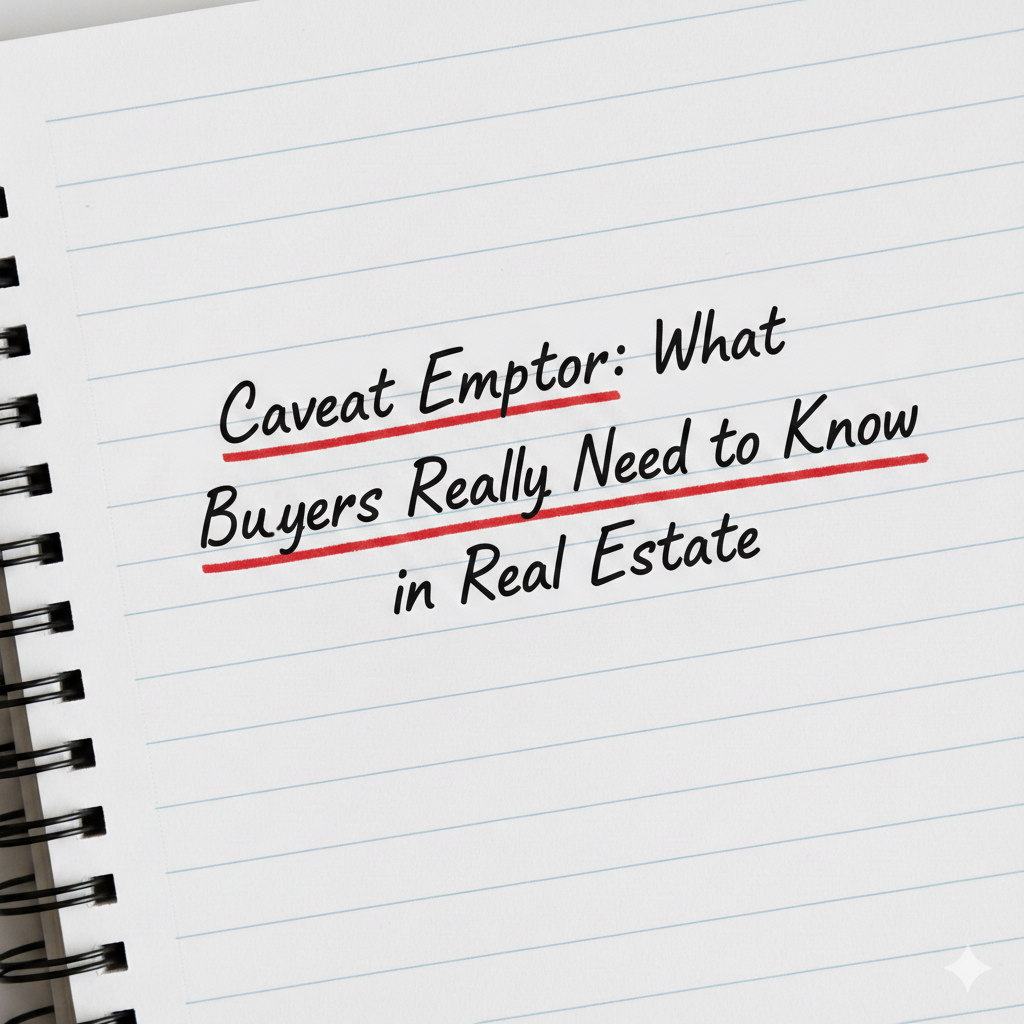
Caveat Emptor: What Buyers Really Need to Know in Real Estate
/
1 Caveat Emptor: What Buyers Really Need to Know in Real Estate
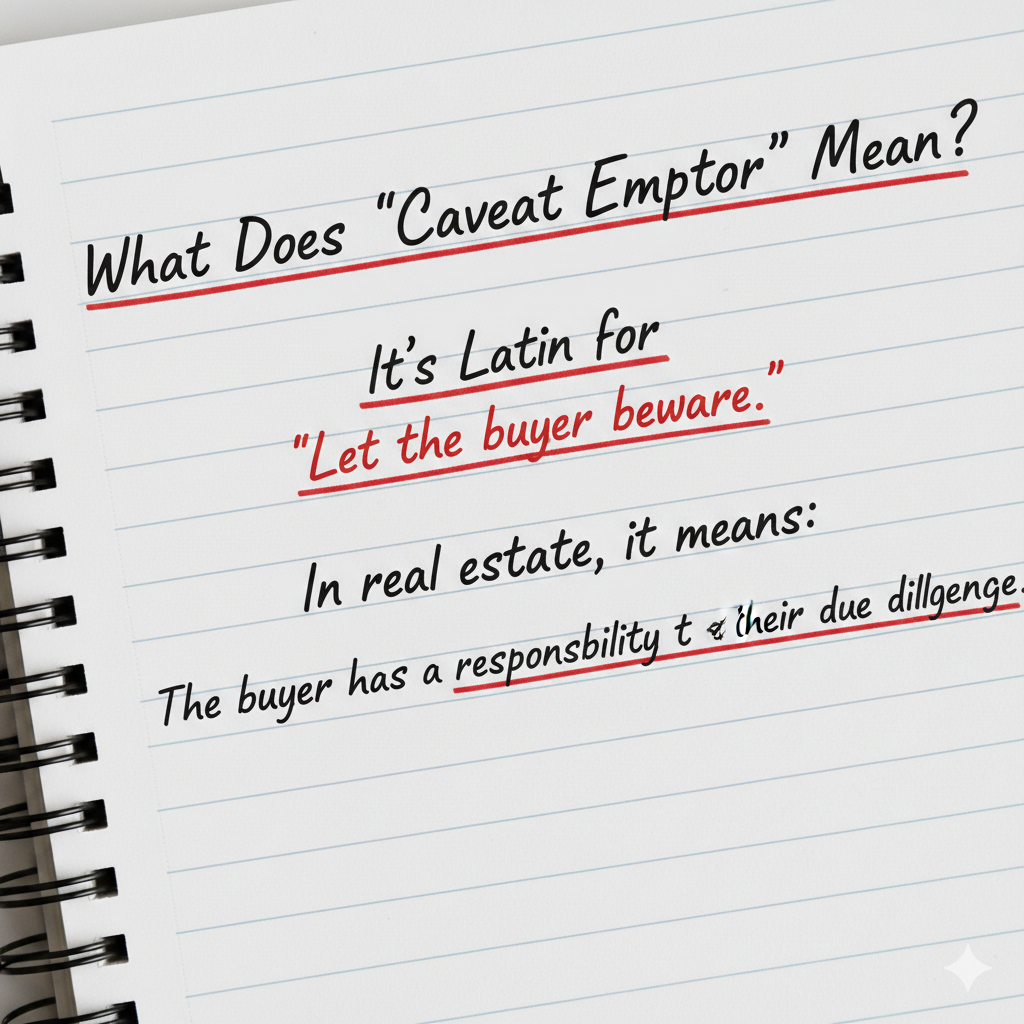
2 What Does “Caveat Emptor” Mean?
It’s Latin for
“Let the buyer beware.”
In real estate, it means:
The buyer has a responsibility to do their due diligence.
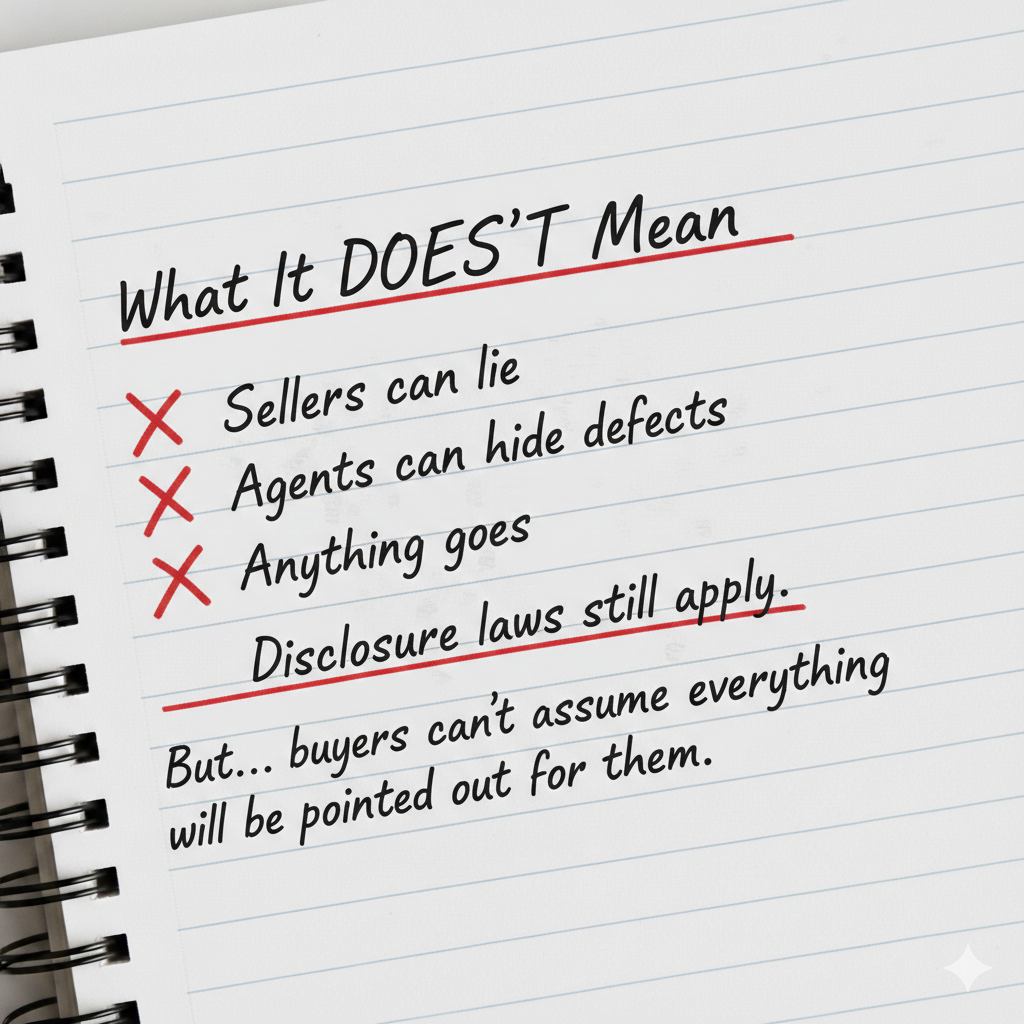
3 What It DOESN’T Mean
❌ Sellers can lie
❌ Agents can hide defects
❌ Anything goes
Disclosure laws still apply.
But… buyers can’t assume everything will be pointed out for them.
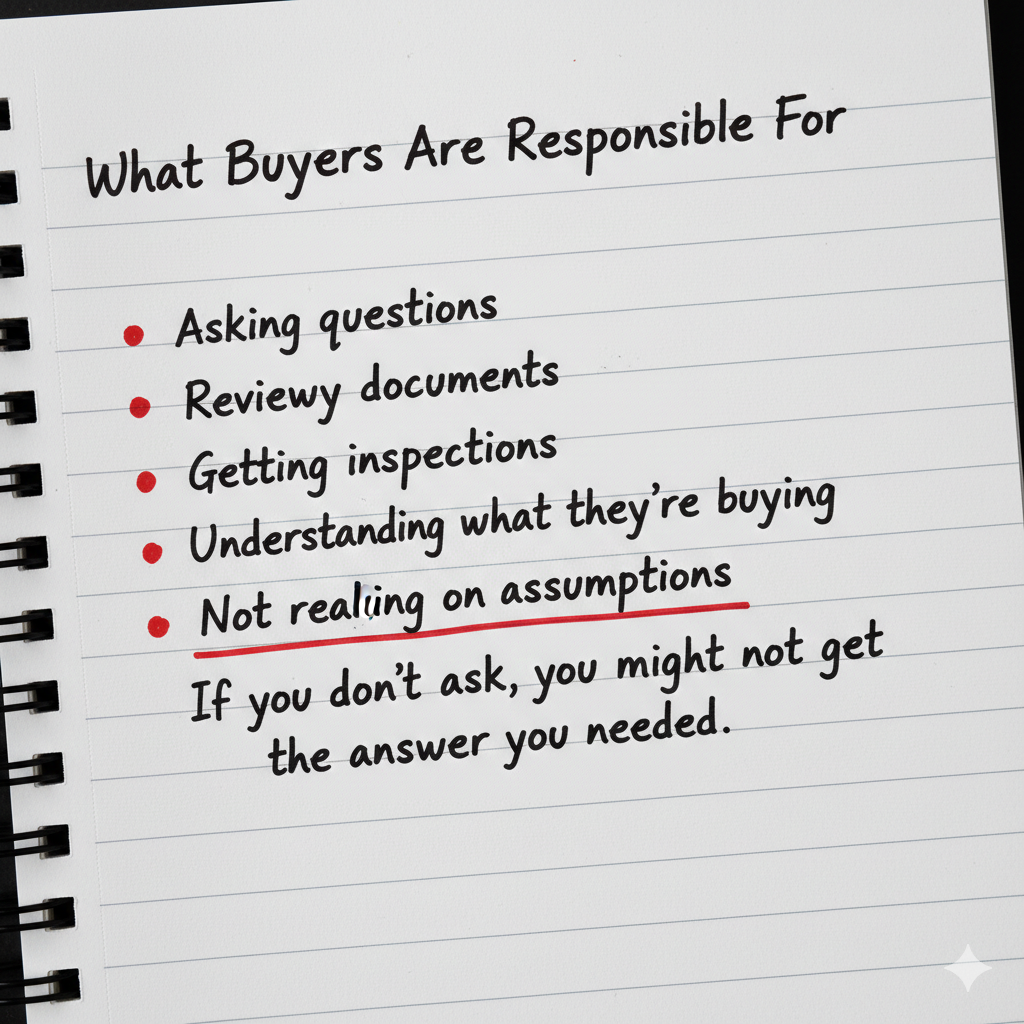
4 What Buyers Are Responsible For
• Asking questions
• Reviewing documents
• Getting inspections
• Understanding what they’re buying
• Not relying on assumptions
If you don’t ask, you might not get the answer you needed.
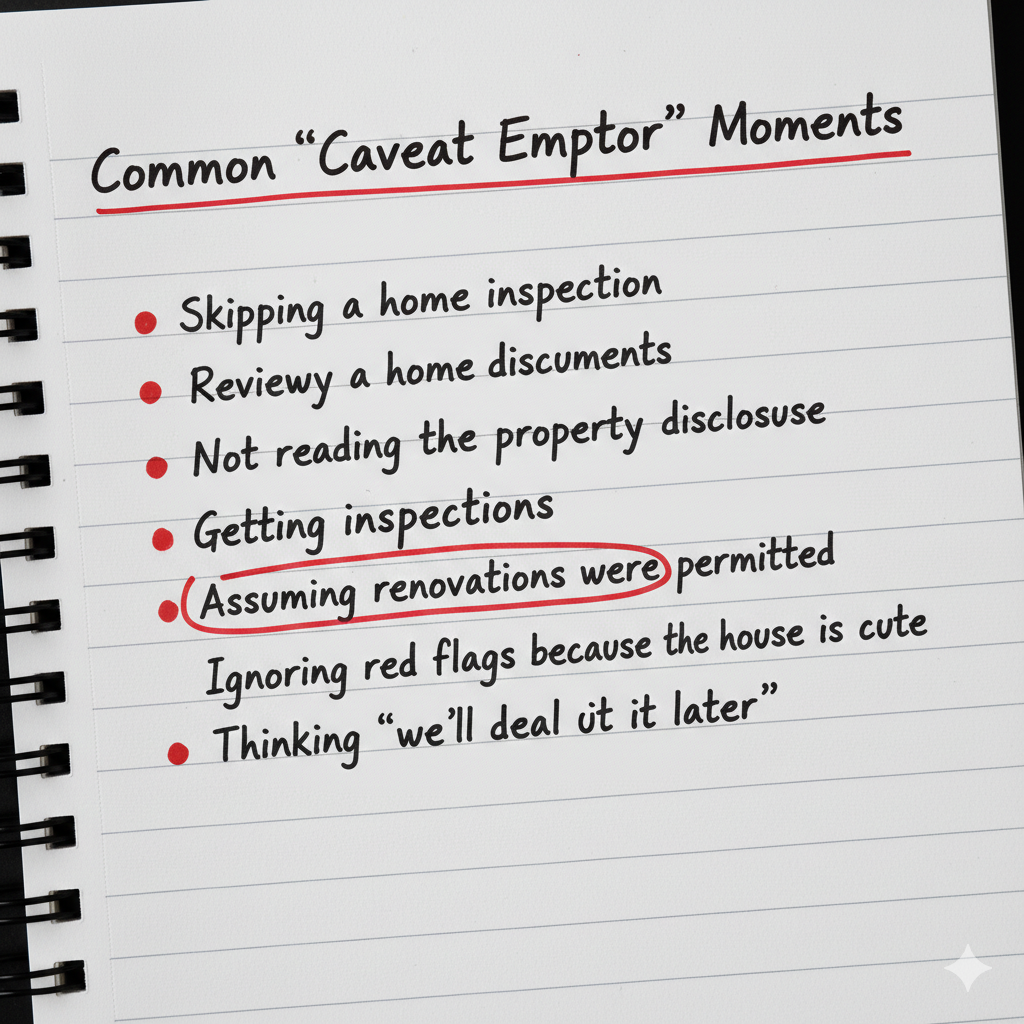
5 Common “Caveat Emptor” Moments
• Skipping a home inspection
• Not reading the property disclosure
• Assuming renovations were permitted
• Ignoring red flags because the house is cute
• Thinking “we’ll deal with it later”
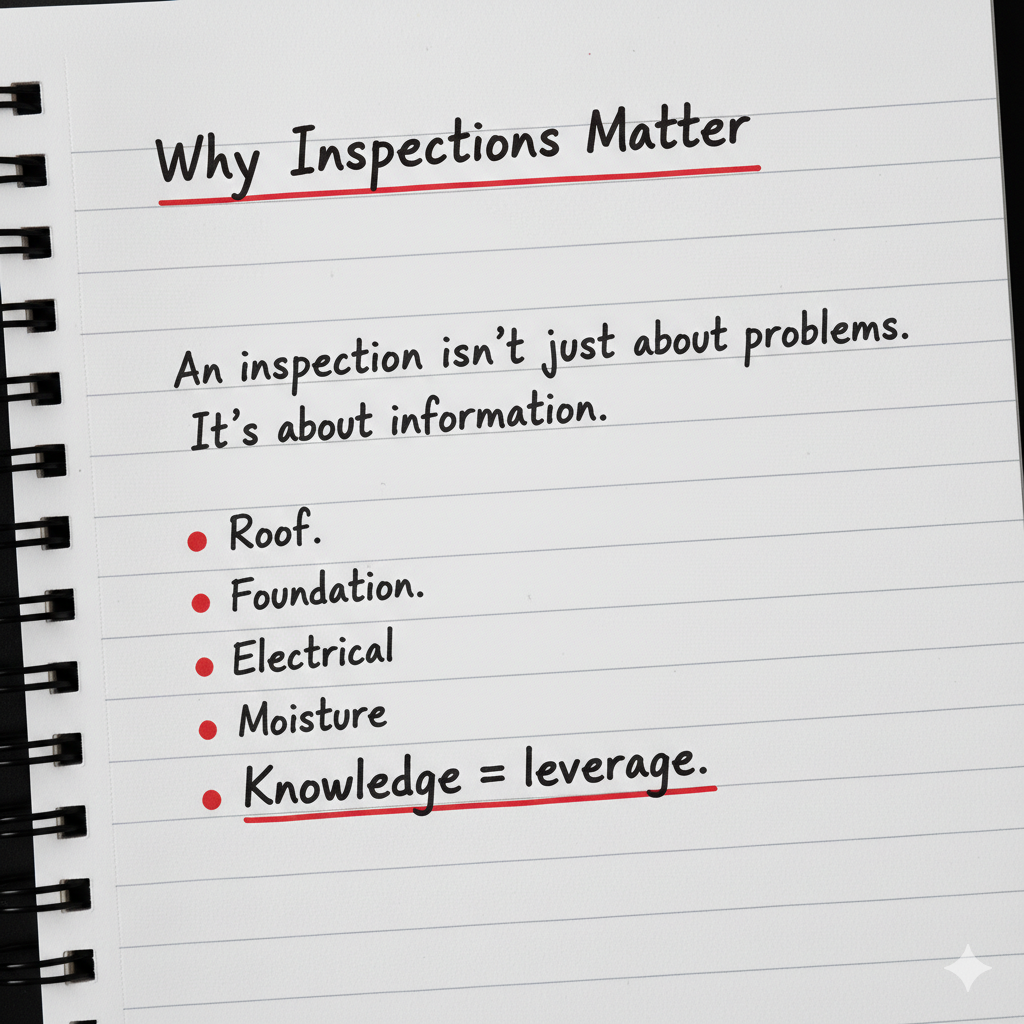
6 Why Inspections Matter
An inspection isn’t just about problems.
It’s about information.
Roof.
Foundation.
Electrical.
Plumbing.
Moisture.
Knowledge = leverage.
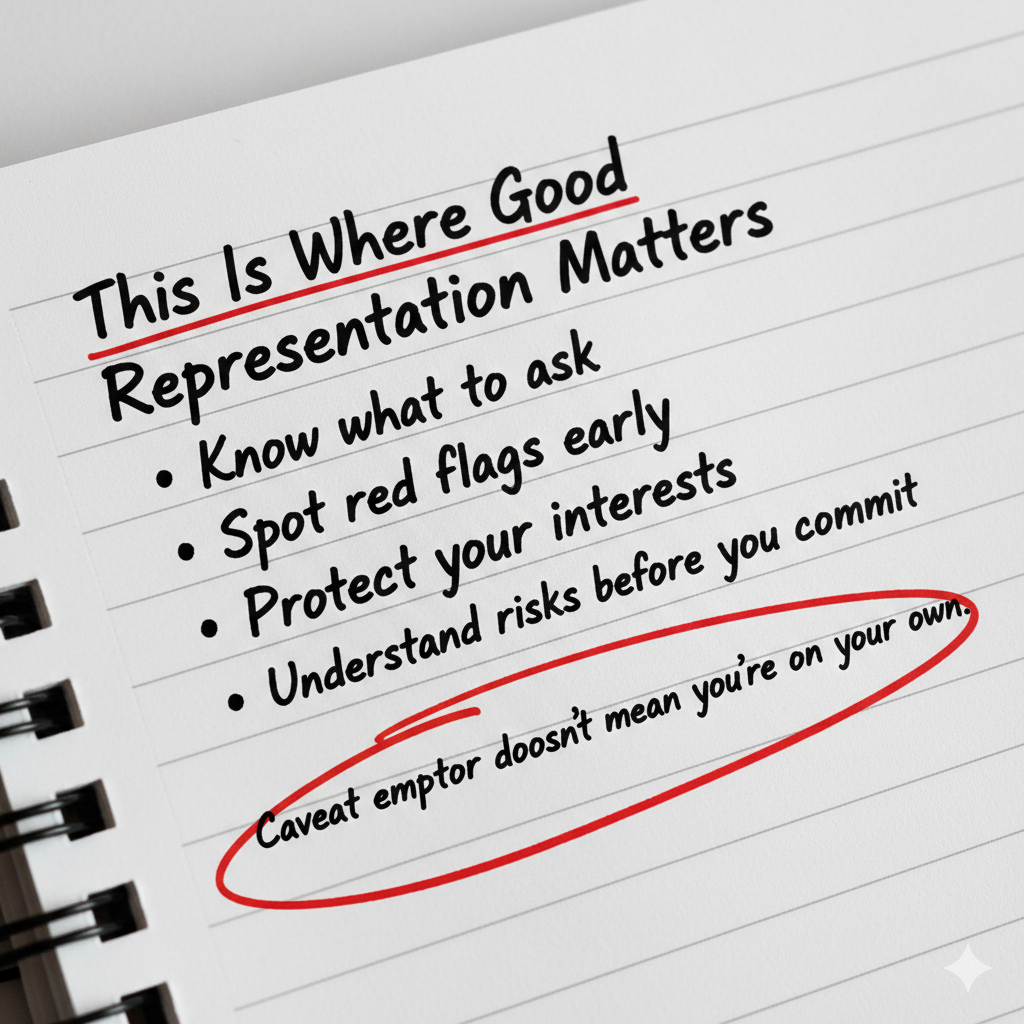
7 This Is Where Good Representation Matters
A good agent helps you:
• Know what to ask
• Spot red flags early
• Protect your interests
• Understand risks before you commit
Caveat emptor doesn’t mean you’re on your own.
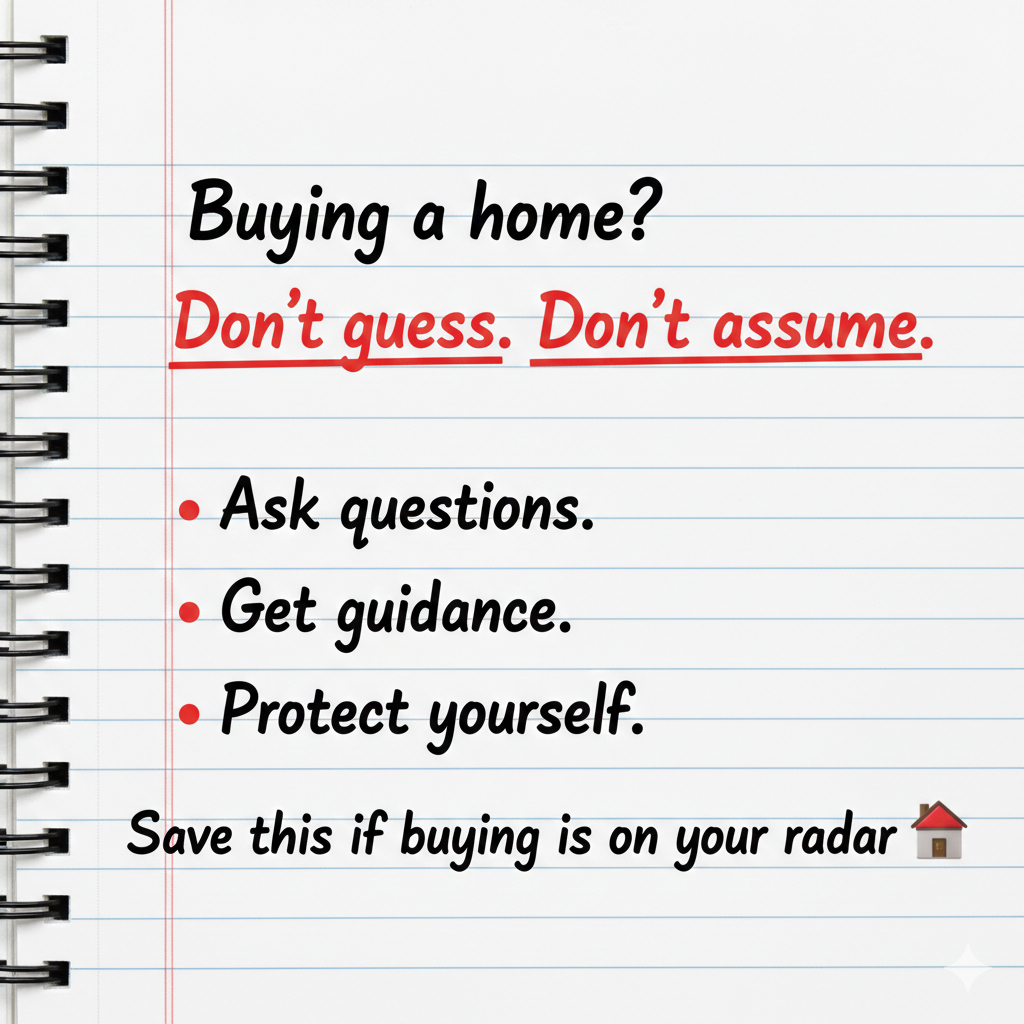
8 Buying a home?
Don’t guess. Don’t assume.
Ask questions. Get guidance. Protect yourself.
Save this if buying is on your radar 🏡