

Aluminum Wiring in Your Home: What Every Homeowner Should Know
/Ever wondered why aluminum wiring in older homes is suddenly becoming a big deal for insurance and lending?
Here’s what it means for you — especially if you’re living in or considering buying a home built in the 1970s.
Aluminum wiring isn’t just old technology — it’s increasingly raising eyebrows with insurers and lenders. Like knob‑and‑tube wiring before it, aluminum wiring is now being treated as a potential “deal breaker” unless it’s properly inspected, mitigated, or replaced.
Why Aluminum Wiring Was Used in the First Place
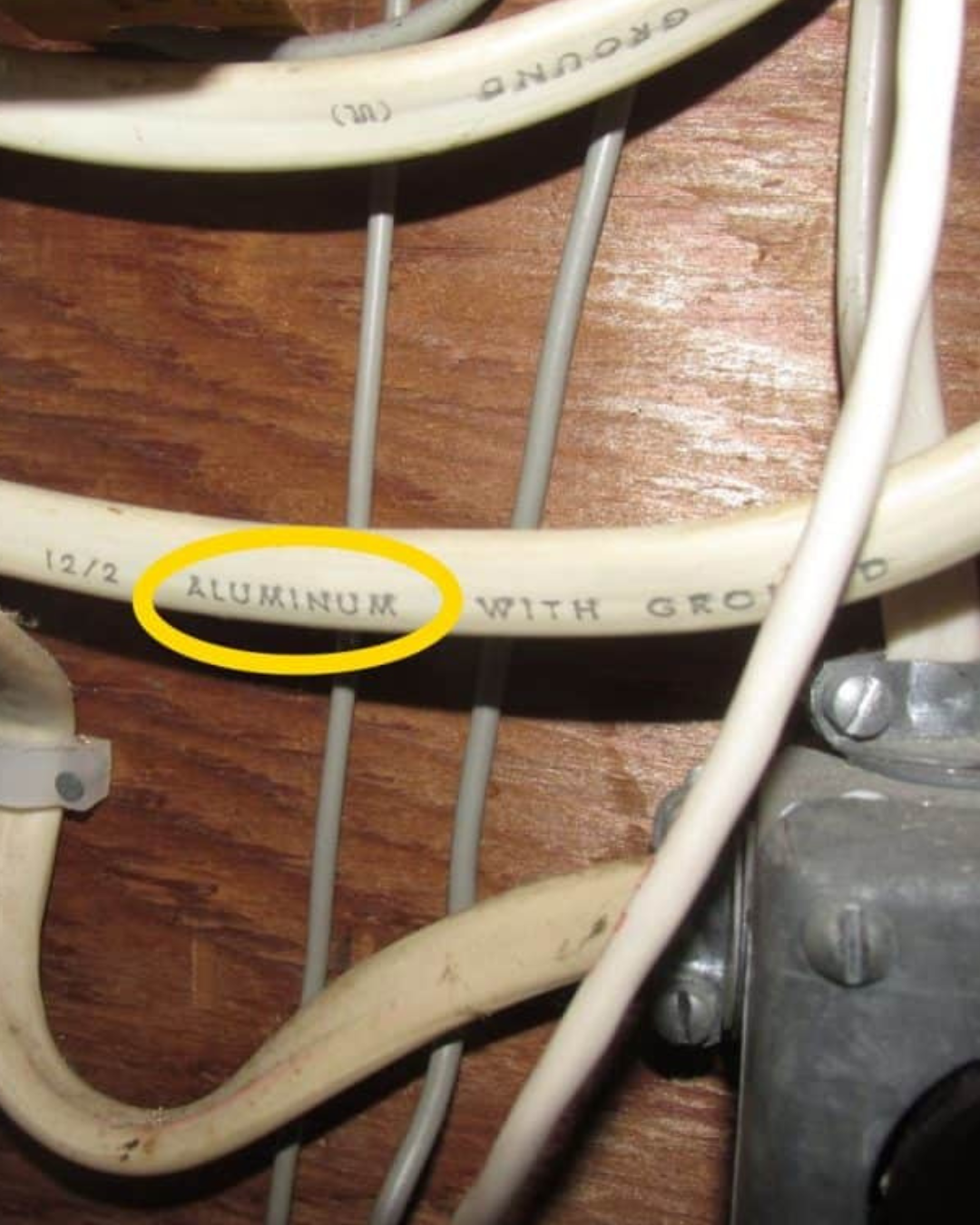
In the late 1960s–1970s, the price of copper soared. Builders turned to aluminum as a cheaper alternative for branch circuit wiring. At the time, it seemed like a reasonable choice — but aluminum behaves differently than copper. Experts note that, over time, some types of aluminum wiring can develop issues that increase the risk of loose connections, overheating, and potential fire hazards.
The Problem According to Today’s Insurance Industry
Here’s the reality: many insurance companies view aluminum wiring as a higher‑risk feature compared to copper. Some may:
Refuse to insure a home with aluminum wiring unless conditions are met.
Require a professional electrical inspection (and copies of the report) before offering coverage.
Charge higher premiums due to perceived fire risk.
In rare cases, decline coverage entirely unless the wiring is corrected or replaced.
Lenders often require proof of insurance before closing a mortgage, so this insurability issue can meaningfully delay or even derail a sale.
So Is Aluminum Wiring Unsafe?
Not necessarily in every case. The wiring itself isn’t inherently dangerous when properly installed and maintained. However, older aluminum wiring — especially single‑strand wire found in many 1970s homes — ages differently than copper. It can oxidize, loosen due to temperature changes, or degrade at connection points, which increases the potential for heat buildup and fire risk over time.
That’s why today’s insurers want professional evaluation and documentation before they’ll underwrite policies.
What Homeowners Can Do
If you live in a home with aluminum wiring (or are considering buying one), here are your best next steps:
🧰 1. Get a Licensed Electrical Inspection
A qualified electrician can assess your system, identify where aluminum wiring exists, and check for signs of wear or poor connections. Many insurers will require this documentation before offering a policy.
🔌 2. Understand Your Options
You might be advised to:
Upgrade connection points using approved connectors like AlumiConn or Copalum crimps (often acceptable to insurers).
Partially or fully rewire with copper (more costly but often the most straightforward way to eliminate insurance hurdles).
💡 3. Shop Around
Insurance companies vary in how they treat aluminum wiring. Some are flexible with proper inspection and safety upgrades; others are stricter. Ask your broker which carriers are most aluminum‑friendly in your area.
Aluminum Wiring and Selling Your Home
If you decide to sell a 1970s home with aluminum wiring, be ready for conversations with:
Buyers’ insurers who may ask for proof of inspection or upgrades.
Mortgage lenders who need evidence of valid insurance before funding.
Addressing wiring concerns ahead of time — or documenting they’ve been professionally inspected — can make offers and closings smoother.
The Bottom Line
Aluminum wiring is not automatically unsafe — but it is increasingly treated like a risk by insurers and lenders, much like knob‑and‑tube wiring once was. Proper documentation, professional inspection, and thoughtful upgrades can make all the difference if you’re living in or buying a home built during the wiring’s peak popularity.
📺 Want more real‑world tips for homeowners?
Watch the video and subscribe for more homeowner tips.