

Moving to Winnipeg in 2026: A Practical Guide to Neighbourhoods, Daily Life and What to Expect
/
What should you know before moving to Winnipeg?
Winnipeg gives you big-city amenities at a lower cost than most major Canadian cities, with a wide range of neighbourhoods that feel very different from one another. Before you buy, figure out how you want your days to work (commute, schools, walkability, space), learn which areas match that, and plan for a real winter. Most people who relocate here find the neighbourhood matters as much as the house.
Key Takeaways
Winnipeg's neighbourhoods range from walkable, older inner-city areas to newer suburbs built around families and cars
Your commute, school options and how you spend your evenings should shape where you look
Homes here cost noticeably less than in Toronto, Vancouver or Calgary, though prices are at record highs locally
Winter is real, but the city is built for it, and summer makes up for a lot
It's common to change your mind about where you want to live once you've seen the city in person
Fall 2026 is giving buyers more homes to choose from than they had in spring
Start With How You Want to Live
When people call me about moving to Winnipeg, the first question is usually "Where should I live?" It's a fair question, but it's hard to answer without a few others first:
Where will you be working, and how do you want to get there?
Do you have kids, and which school program do you want: English, French immersion or francophone?
Do you want to walk to coffee and restaurants, or would you rather have a bigger yard and a quieter street?
Do you want an older home with character, or something newer with less maintenance?
Your answers narrow the map quickly. Listing photos can make a house in one corner of the city look a lot like a house in another, but daily life in those two places can be completely different.
What Living in Winnipeg Is Actually Like
A few things tend to surprise people who are new to the city.
It's more affordable than you might expect. According to the Winnipeg Regional Real Estate Board (WRREB), the year-to-date average price through August 2026 was $468,679 for a detached home and $288,834 for a condo. Those are record highs for Winnipeg, but they're well below what buyers pay in most other large Canadian cities. For many people moving here, that means a bigger home, a smaller mortgage, or both.
Getting around is manageable. Most trips across the city take 20 to 30 minutes by car. Rapid transit along the Southwest Transitway connects the University of Manitoba area to downtown, and a growing network of bike paths runs along the rivers.
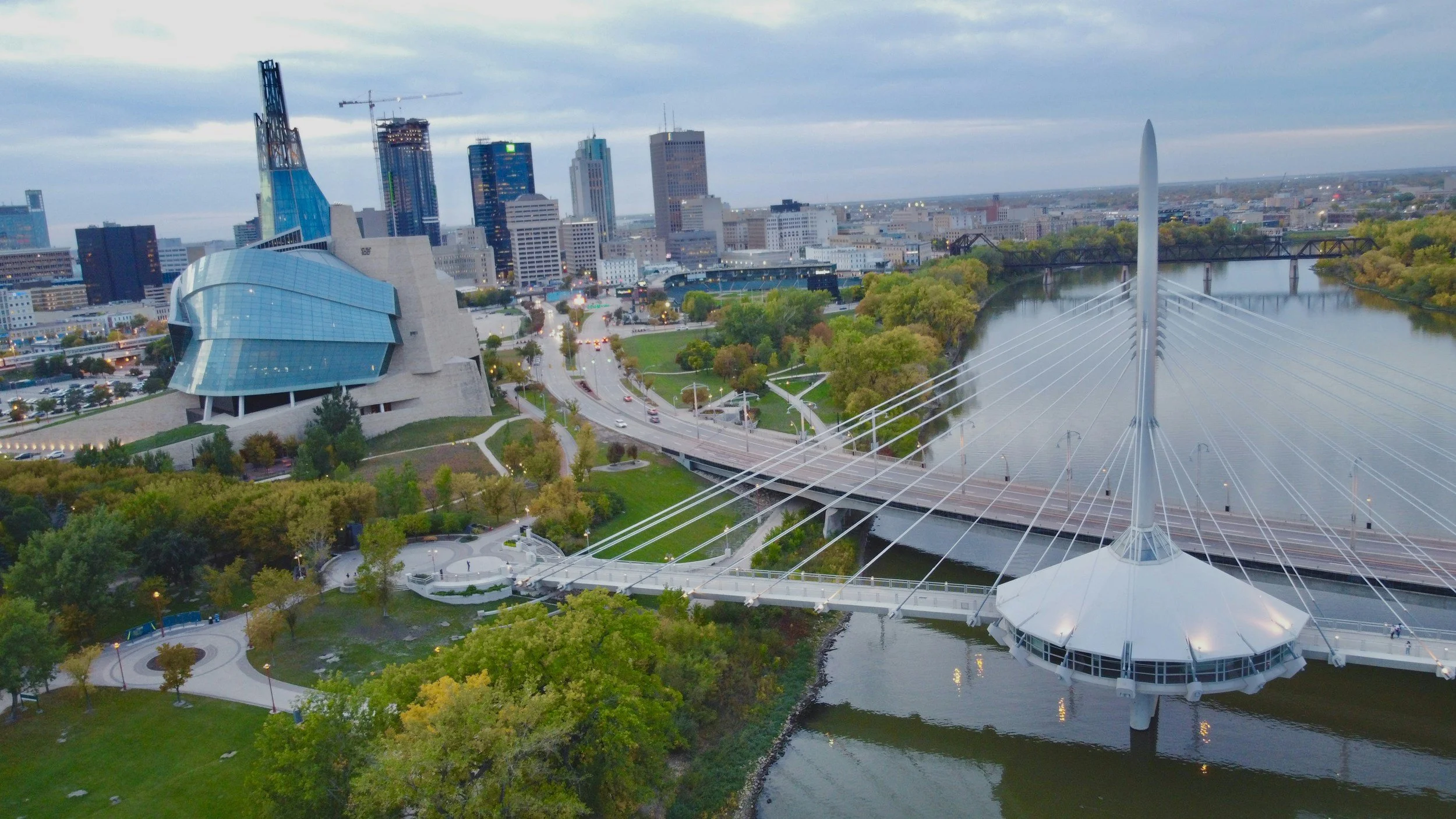
There's plenty to do. The Forks, the Canadian Museum for Human Rights, Assiniboine Park and its zoo, the Jets and the Blue Bombers, Folklorama in August and Festival du Voyageur in February keep the calendar full. In summer, beaches and cottage country at Grand Beach, the Whiteshell and Lake of the Woods are an easy drive.
Winter is part of the deal. January mornings at -30°C happen. A good furnace, a garage or a block heater plug, and proper boots matter more than you'd think. Most locals will tell you that once you're dressed for it, winter is very livable, and the long, sunny summers are worth it.
Winnipeg Neighbourhoods at a Glance
There's no single "best" area. Here's a starting overview of the places I'm asked about most.
Central and Walkable
River Heights and Tuxedo. Tree-lined streets, older character homes and larger estate properties close to Assiniboine Park. Central, established and popular with families.
Osborne Village and Earl Grey (Corydon). Some of the most walkable areas in the city, with cafés, restaurants and shops along Osborne Street and Corydon Avenue. A mix of condos, apartments and 1920s character homes.
St. Boniface. Winnipeg's historic francophone neighbourhood, just across the river from The Forks and downtown. Strong community identity, French-language schools and services, and easy access to the city centre.
Established Suburbs
St. Vital, including River Park South. Quiet crescents, mature trees, schools in English, French immersion and francophone programs, and Dakota Community Centre as a neighbourhood hub. St. Vital Centre covers most shopping needs.
Charleswood. Larger lots, a slower pace and Assiniboine Forest close by. A good fit if you want a little more space and nature without leaving the city.
Fort Richmond. Close to the University of Manitoba, with a mix of houses, condos and rentals. Handy for students, faculty and staff.
Transcona. A strong community feel on the east side of the city, with relatively accessible prices and quick access to the Perimeter Highway.
Newer Developments
Bridgwater, Sage Creek and the rest of Waverley West. Newer homes with modern layouts, attached garages and planned parks, schools and retail. Popular with young families who want move-in-ready space, though you'll usually rely more on a car.
Moving to Winnipeg for a Military Posting
If you're being posted to 17 Wing Winnipeg, timing and logistics look a little different. You may be buying sight unseen, working around a firm report date, or planning for a future posting out of the city. I'm glad to help you shortlist neighbourhoods based on your commute to the base, school needs and resale potential, and to set up virtual showings if you can't get here in person.
The Details That Shape Your Day-to-Day
The house matters, but the things around it often matter more over time:
Your commute. A shorter drive, a transit route or a bike path can change how your whole day feels.
Schools and child care. Check catchment areas with the school division before you buy, since boundaries can change.
Parks and recreation. Community centres here run everything from skating and soccer to fitness programs, and they're a big part of neighbourhood life.
Errands. Groceries, pharmacies, medical clinics and coffee within a few minutes make a big difference on a weeknight in February.
Why Plans Change Once You Get Here
[NICOLE: Add a short story here, with details changed for privacy, about a client relocating to Winnipeg whose search changed once they saw the city. For example, someone who started out looking at newer suburbs and ended up somewhere central, or the reverse, and why.]
This happens often, and it isn't indecision. Seeing a neighbourhood in person, driving your future commute and walking to the nearest grocery store tells you things listing photos never will.
A Few Practical Steps After You Arrive
Some quick housekeeping for anyone new to Manitoba:
Apply for your Manitoba Health card soon after you arrive.
Sort out your driver's licence and vehicle insurance. Basic auto insurance in Manitoba is provided publicly through Manitoba Public Insurance (MPI).
Budget for closing costs, including Manitoba land transfer tax, legal fees and a home inspection.
Set up utilities, including Manitoba Hydro for electricity and natural gas, and confirm what's included if you're buying a condo.
Is Now a Good Time to Buy in Winnipeg?
If you're planning a move this fall, the market is giving buyers more breathing room. WRREB reported 4,102 active listings in August 2026, nearly 70% more than in January, while sales had cooled from their spring peak. That means more choice and less competition than you'd face in spring.
Good homes in popular neighbourhoods still sell quickly, so getting pre-approved before you start touring will help you move when the right one comes along.
The Takeaway
Moving to Winnipeg gives you a lot to like: lower housing costs than most major Canadian cities, a wide mix of neighbourhoods, four distinct seasons and plenty to do. The key is matching the neighbourhood to the way you want to live, not just the house to your checklist. Start with your commute, schools and lifestyle, see the areas in person if you can, and give yourself room to change your mind.
As I always say, Knowledge is Power! The better you understand the city, the more confident your decision will be.
Planning a Move to Winnipeg?
Whether you're relocating for work, family, a military posting or a fresh start, I'm happy to help you get to know the city before you buy. We can talk through neighbourhoods, prices and timing, and set up in-person or virtual showings. Reach out to me, Nicole Hacault, at 204-808-1491 or through yourwinnipegrealtor.com to book a no-pressure conversation.
Nicole Hacault, Winnipeg REALTOR® Royal LePage Top Producers Real Estate
Sources: Winnipeg Regional Real Estate Board monthly MLS® market releases, January–August 2026.